


×
  • There are no suggestions because the search field is empty.

Designing for daily routines

Achieving optimum flow means incorporating more than visual and auditory elements; daily routines must also be taken into account. 

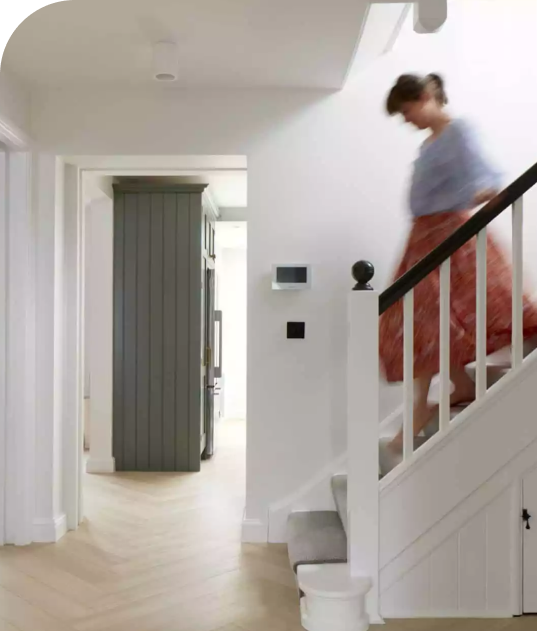
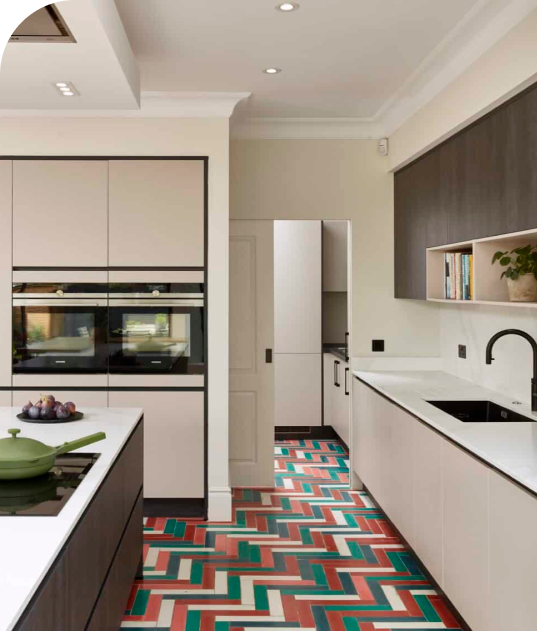
Ensuring items like your coat, wallet and keys have a safe space to be stored upon entering your home will add seamless ease to your routine. Important items will be within easy reach every time you get ready to leave, enhancing not only the flow of your space – but your daily life too. 

This also plays into the principle of attentional capacity. That is, if we don’t have to utilise too much attention in finding items and getting ready, we’ll have a greater capacity to focus throughout the day ahead.
Flow-5

Sensitive acoustic design

Your chosen architect should always consider potential sensitivities to noise. Whether you prefer the hustle and bustle of a busy home or find yourself seeking quieter environments, capturing your acoustic preferences within your home is crucial to enhance the overall ‘flow’ and enjoyment of your living space. 

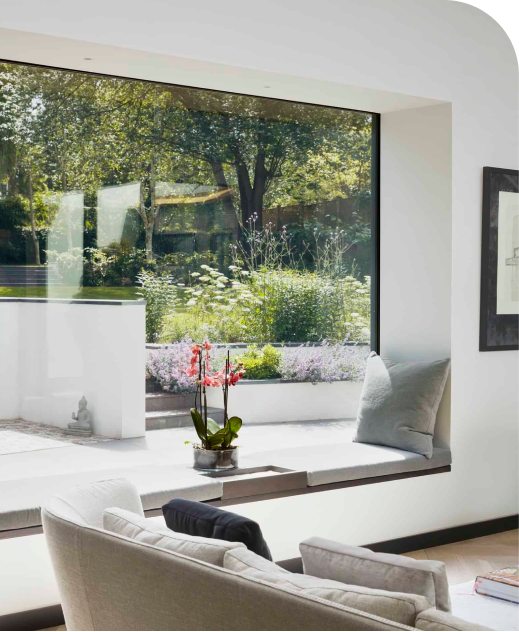
It’s equally important to prioritise specific sounds we are particularly drawn to, as opposed to solely focusing on noises you wish to avoid. Allowing for natural sounds to be heard within your home, such as birds, fluttering leaves and flowing water, can help enhance relaxation and manage stress.

Flow-6

Further reading

To discover more about how to improve the flow and perception of your home, this blog delivers more insight:

As seen in...

Frequently Asked Questions.

Spatial flow refers to how people move through and experience a building. It is shaped by layout, circulation, connections between rooms and visual continuity.

Good spatial flow creates homes that feel intuitive, open and easy to navigate.


Spatial flow has a direct impact on how comfortable and functional a home feels.

Poor layouts can feel restrictive or confusing, while well-designed spaces feel calm, open and connected. Improving spatial flow is often one of the most valuable changes in a residential project.


Perception in architecture refers to how people experience and make sense of a space through their senses, thoughts and emotions.

It influences whether a space feels open or enclosed, calm or overwhelming, and plays a key role in neuroarchitecture.


At XUL Architecture, we improve spatial flow by rethinking layouts, opening up connections between spaces and ensuring that circulation is clear and intuitive.

We also use natural light and visual connections to enhance how spaces are perceived.


Yes. Many existing homes, particularly period properties, can benefit from improved spatial flow.

Through careful reconfiguration of layouts and openings, architects can transform how a home functions and feels without necessarily increasing its size.


In neuroarchitecture, spatial flow is closely linked to how the brain processes and experiences space.

Clear, well-organised layouts reduce cognitive load and create environments that feel more comfortable and intuitive to use.

Geometry also plays a key role in shaping this experience. Thoughtfully considered proportions and the use of curves can guide movement more naturally through a space, softening transitions and creating a sense of continuity that enhances both flow and ease of navigation.


Wellbeing architects focus on how spaces are experienced, not just how they look.

By prioritising flow, perception and spatial clarity, they design homes that feel calm, functional and enjoyable to live in. At XUL Architecture, this approach ensures that each project improves everyday living.