
How does colour influence the way we feel and think?
Colour is more than decoration, it guides the way we experience and interact with a space. At XUL, we design spaces ...


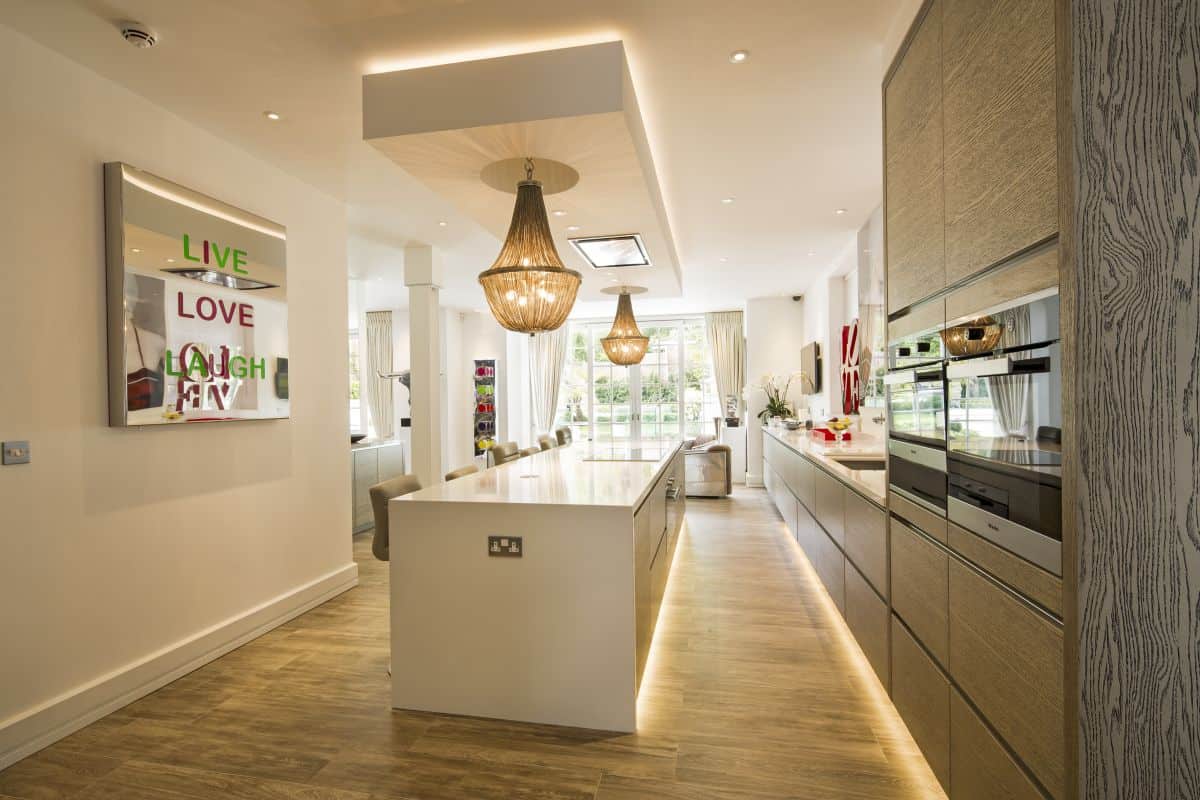
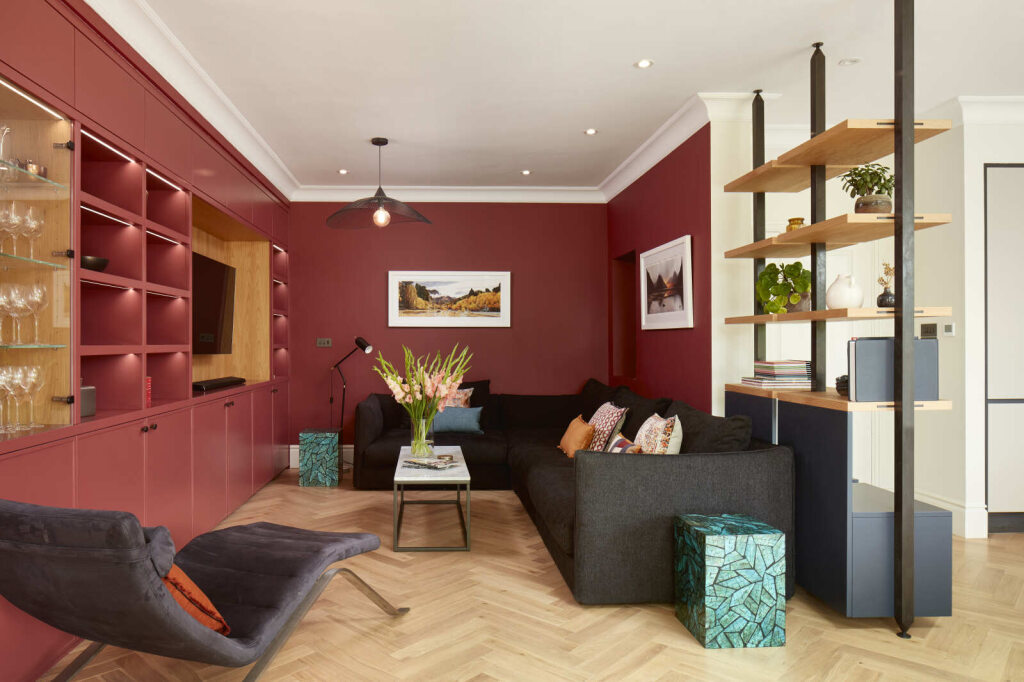
Colour is more than decoration, it guides the way we experience and interact with a space. At XUL, we design spaces ...
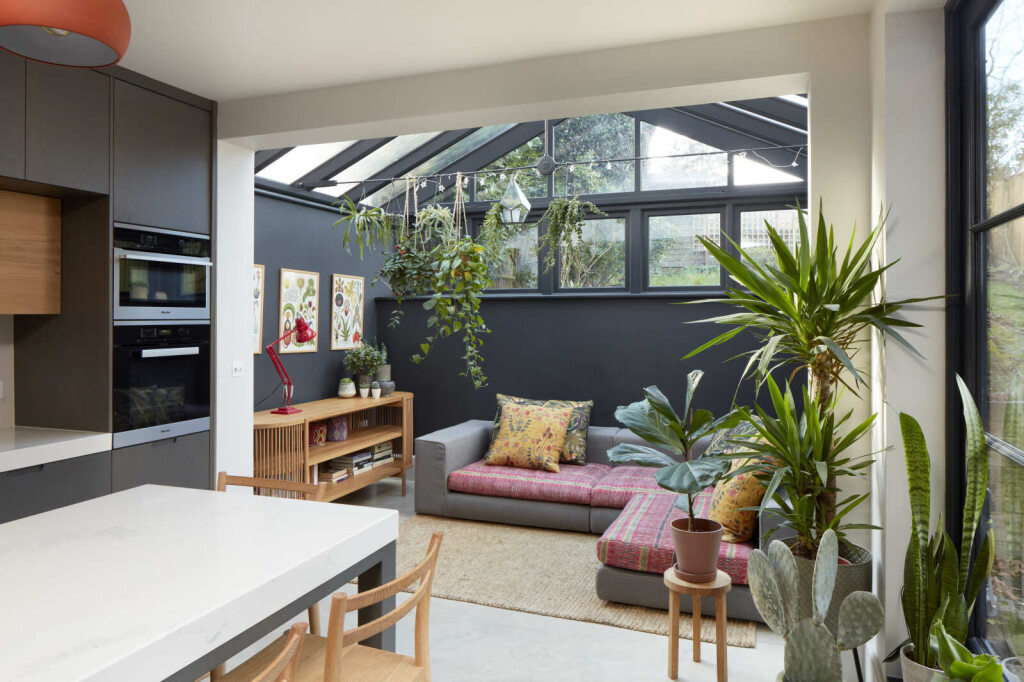
We spend around 90% of our lives indoors, yet our minds and bodies evolved outdoors. That’s why reconnecting with ...
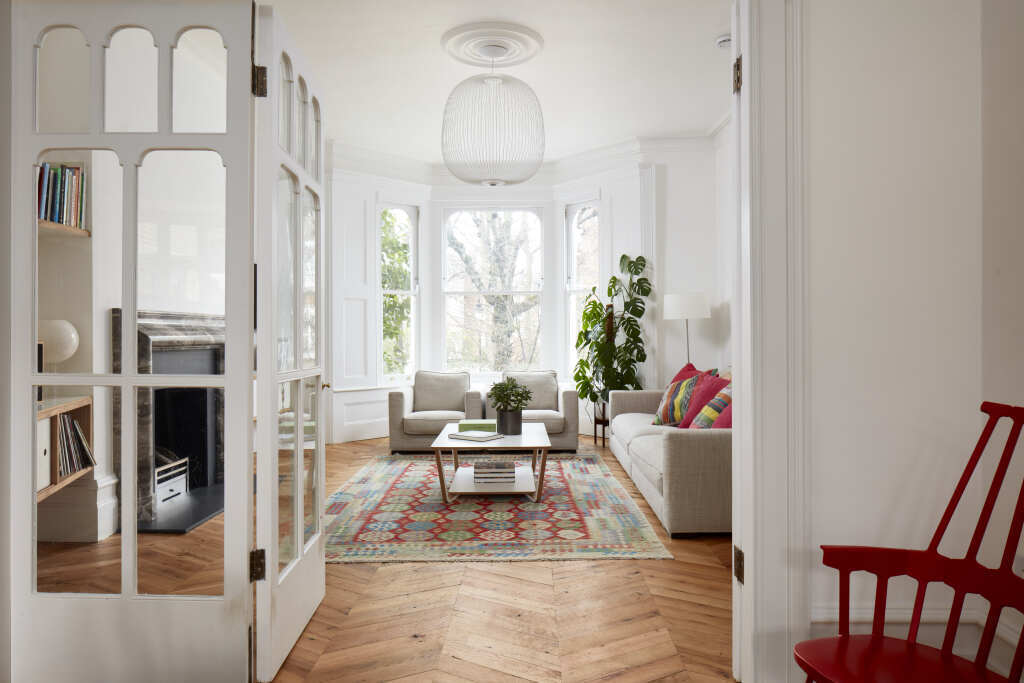
Light does far more than illuminate a room; it shapes how we think, feel, and function. Neuroarchitecture recognises ...

Of all our senses, vision has the greatest influence on how we experience buildings. From light and colour to form and ...
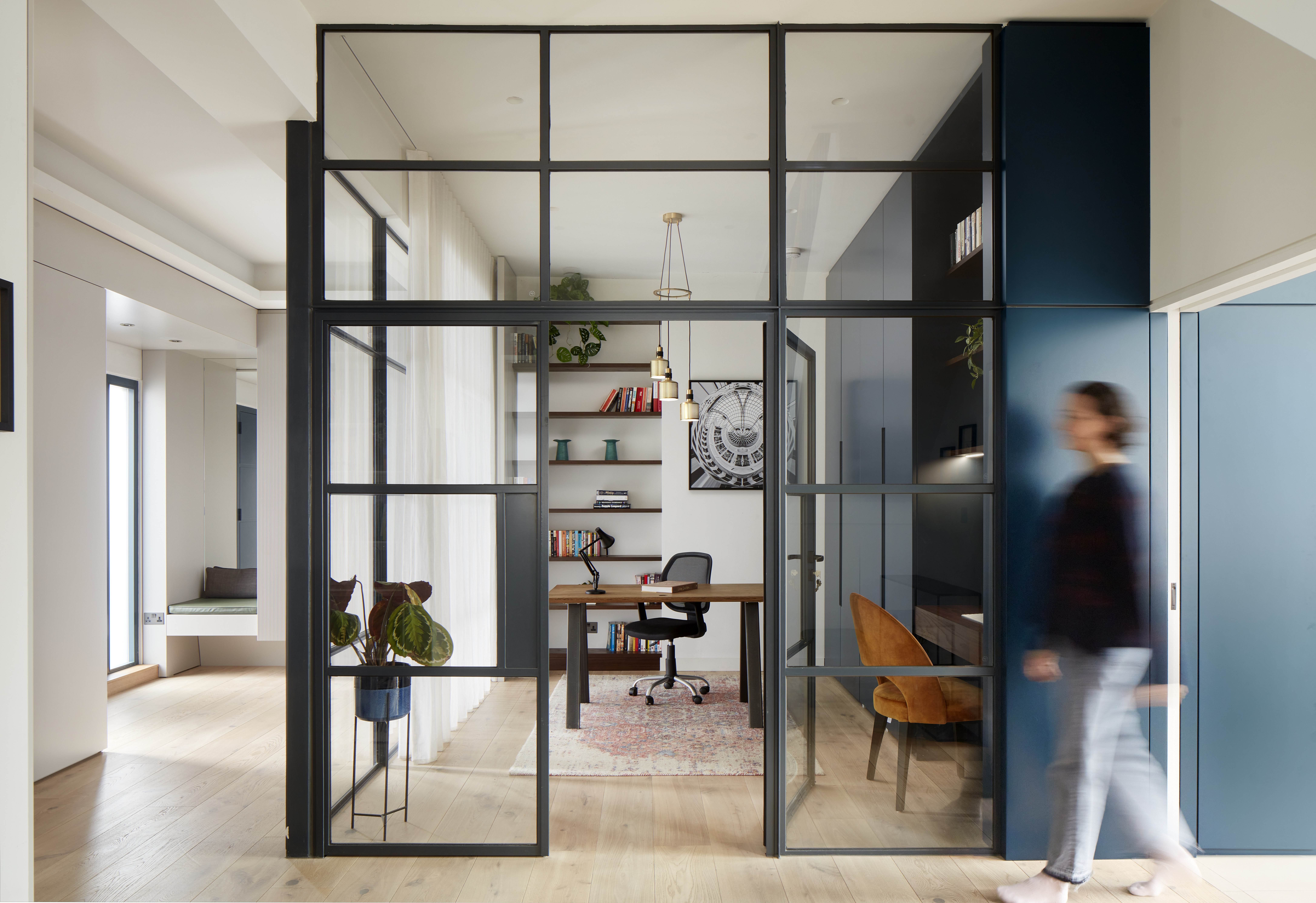
Good design isn’t just about how a space looks, but also how it feels to move through it. Flow is a subtle element that ...

When it comes to designing a home that feels just right, materials matter. Not just for looks, but for how they shape ...
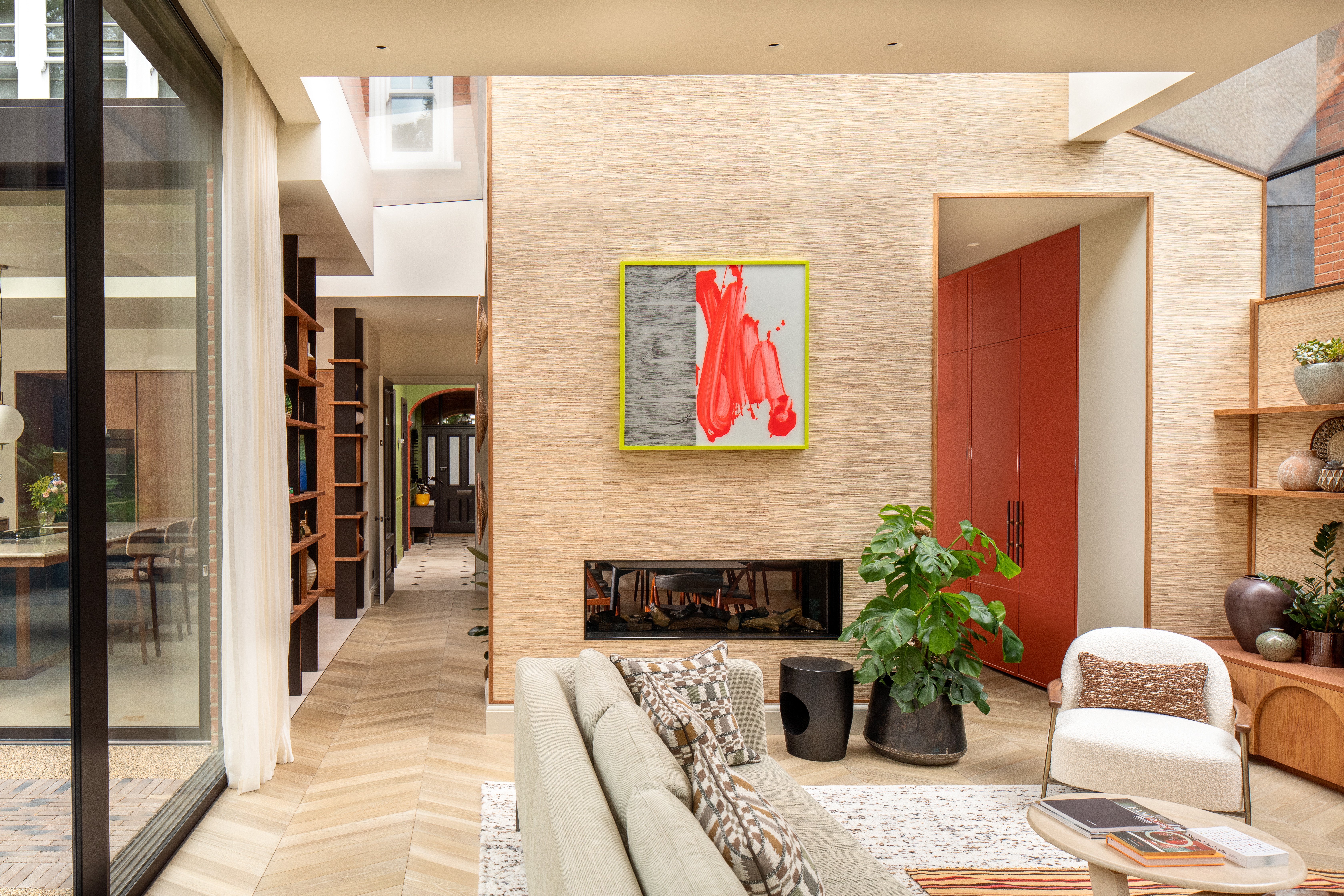
In short – yes! – but before we dive deeper into the topic, here are a few takeaways: Shapes, materials, and layout can ...
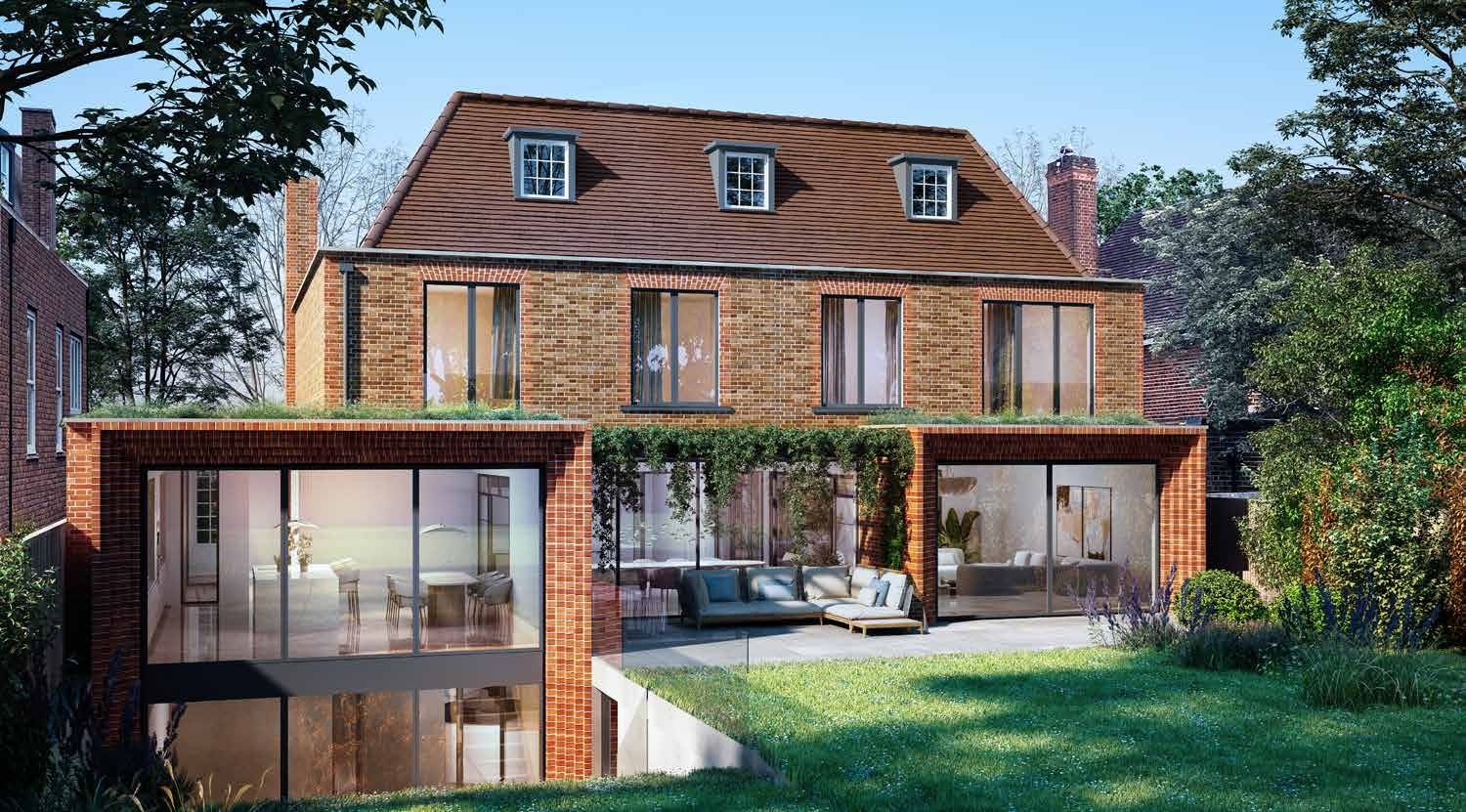
In collaboration with Wayne & Silver, XUL Architecture proudly presents the ‘Arch House.’ This 12100sq ft (1124 mÇ) ...
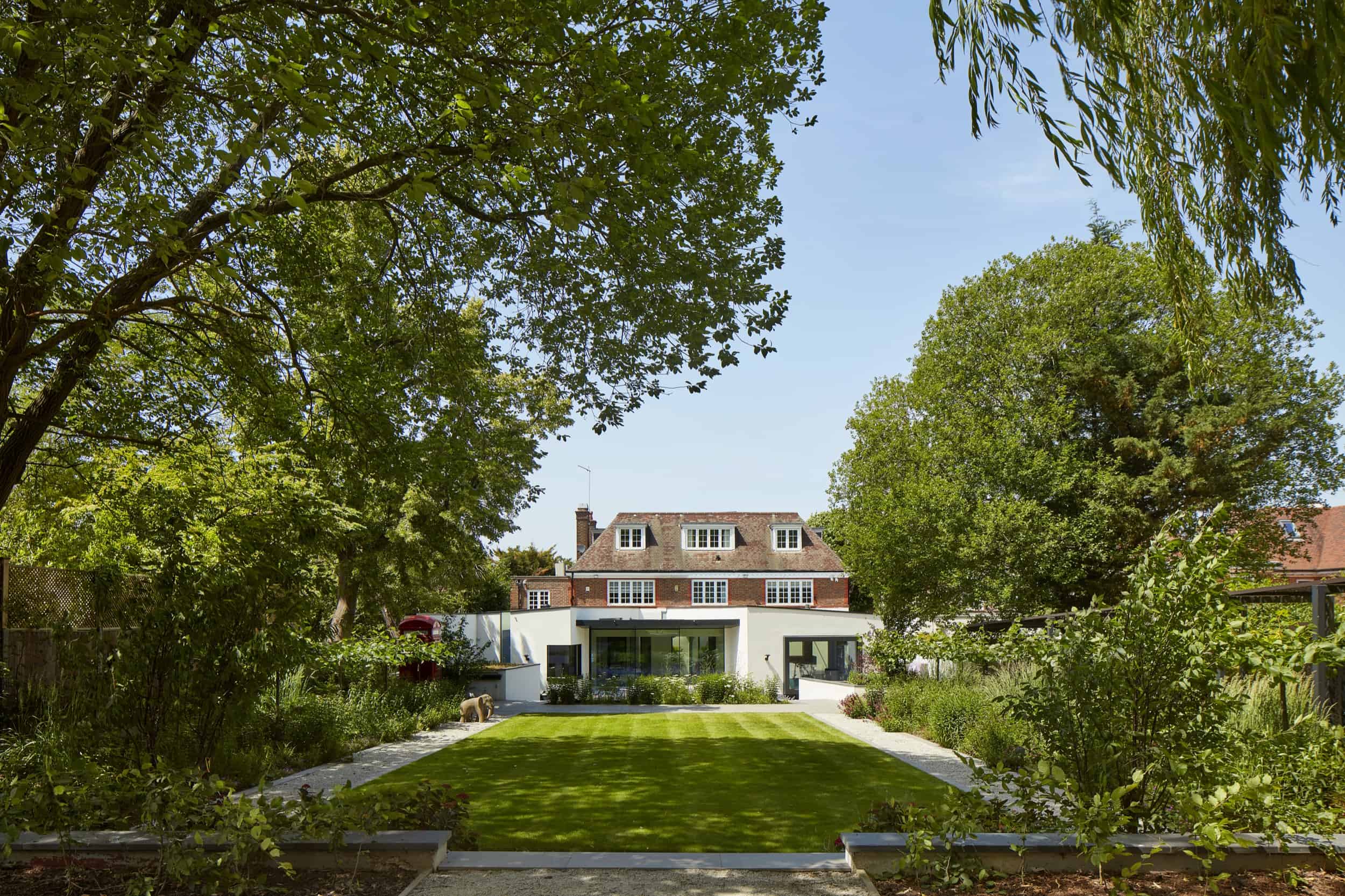
Otherwise known as green architecture, sustainable architecture has moved far beyond being just a trend. The urgency to ...
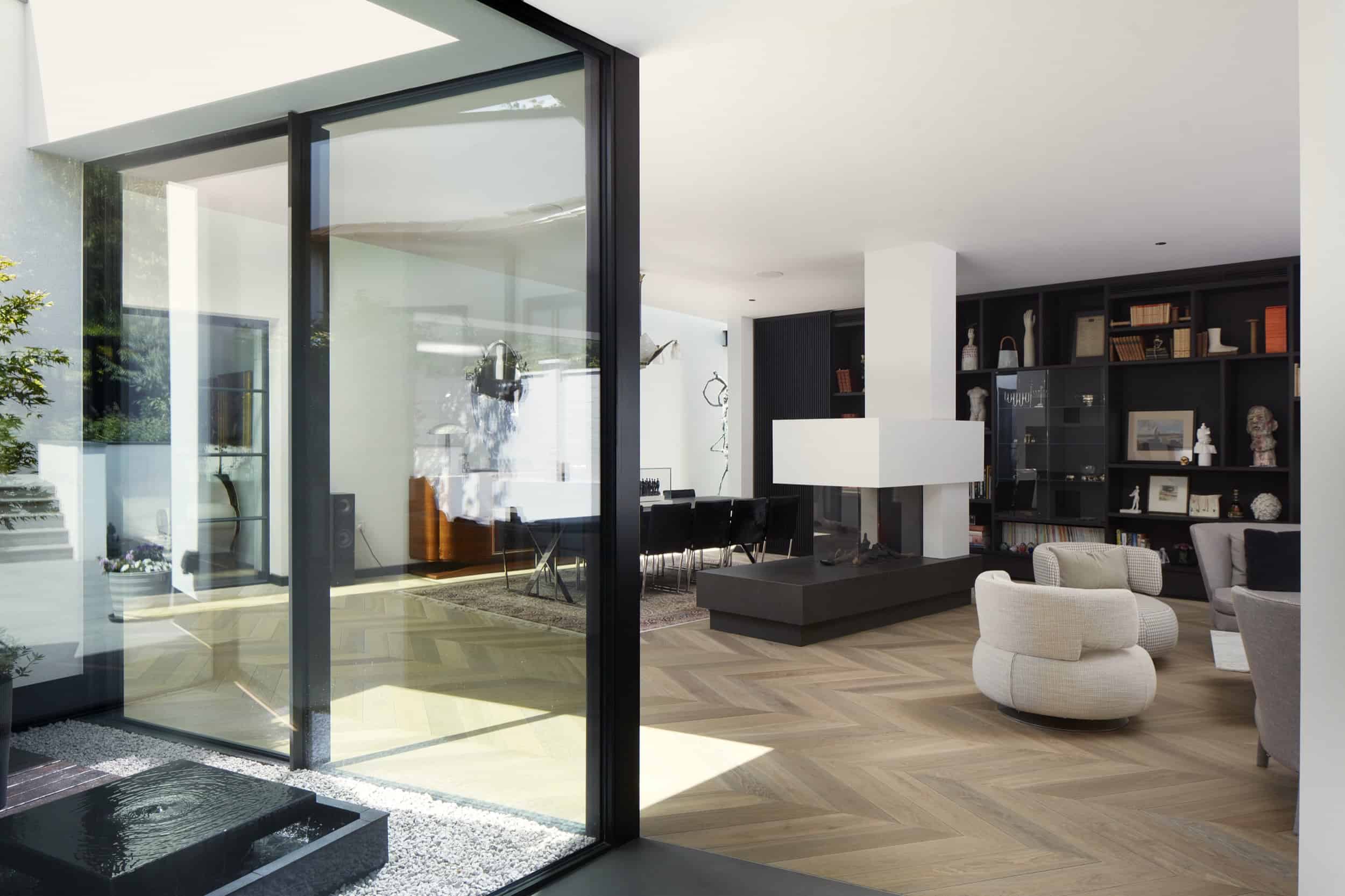
From technological advancements to reducing negative environmental impact, contemporary architecture must focus on more ...
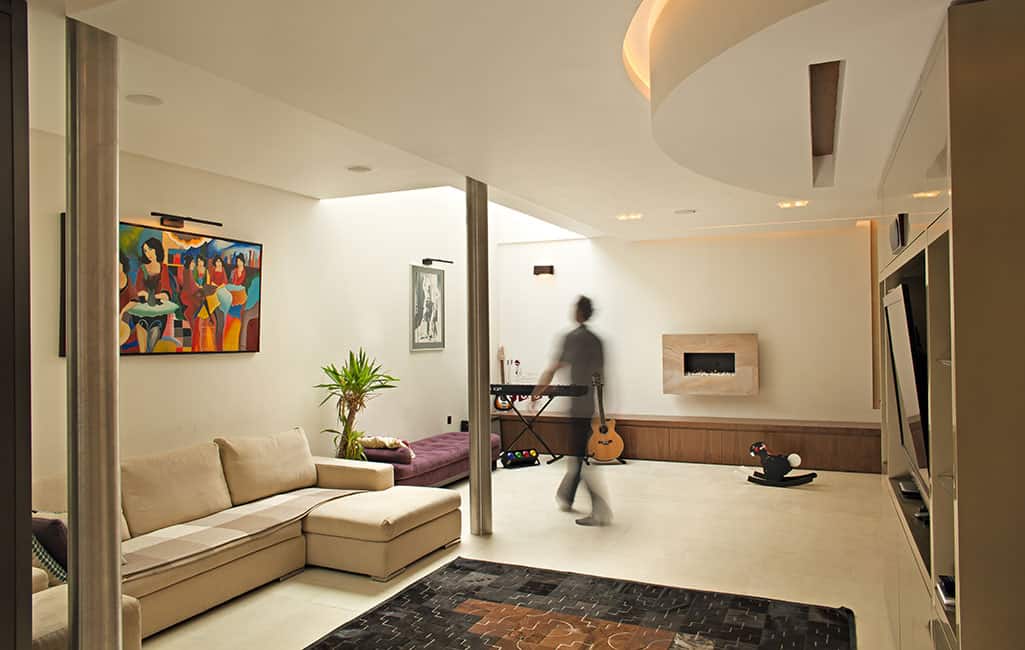
Is a basement conversion worth it… financially? Opting for a basement conversion is a strategic approach to utilise the ...
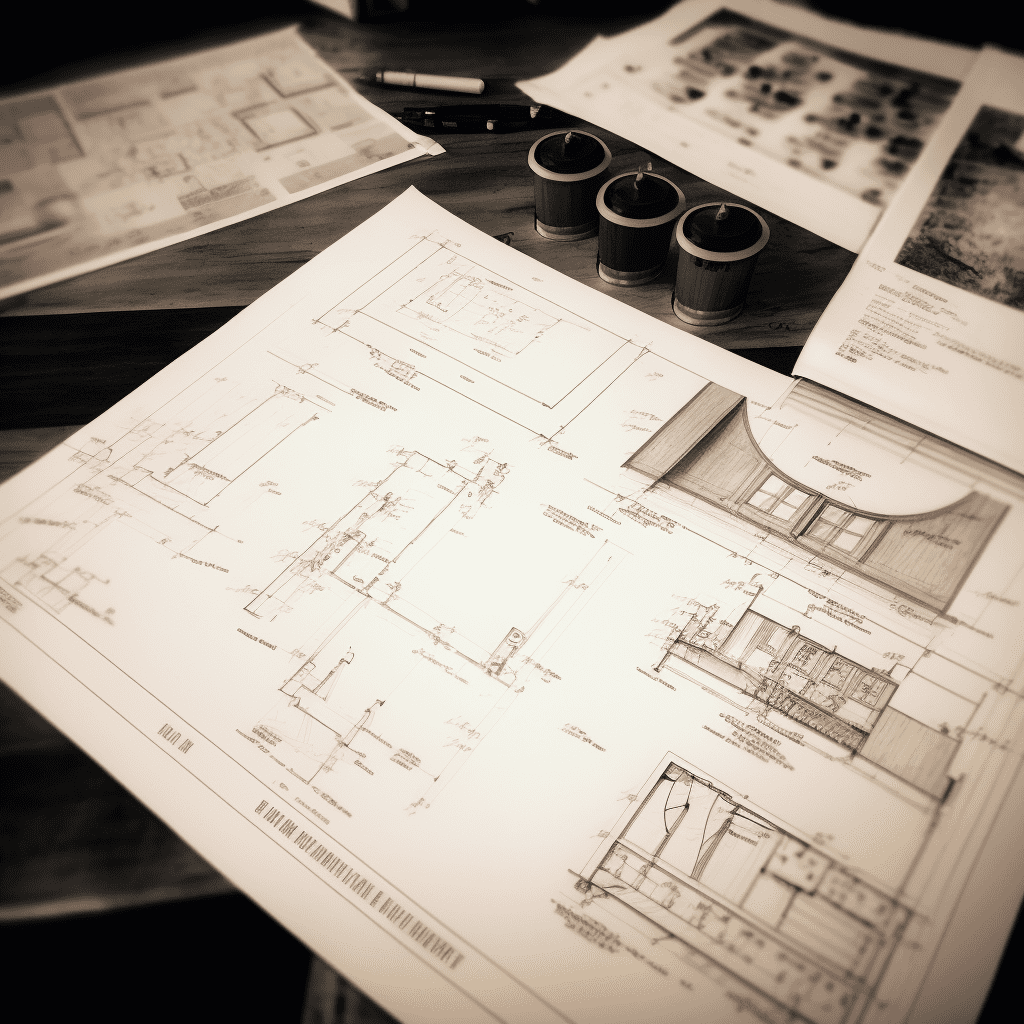
The technical design stage is crucial in the overall architectural process as it’s the phase where we, along with other ...
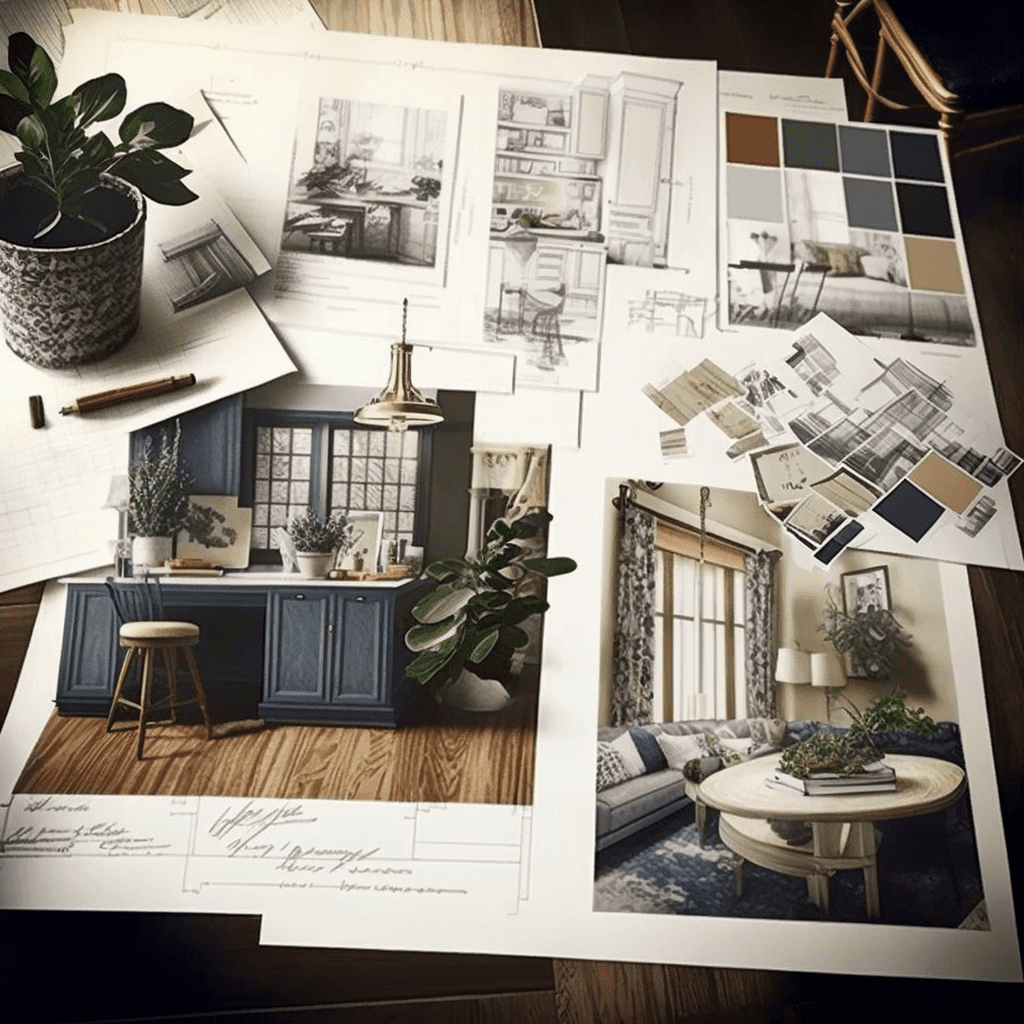
Every project involves interior design services such as choosing and specifying the finishes, light fittings, sanitary ...

The exact timeframe depends on the nature and size of the project. For a typical complete house refurbishment and ...
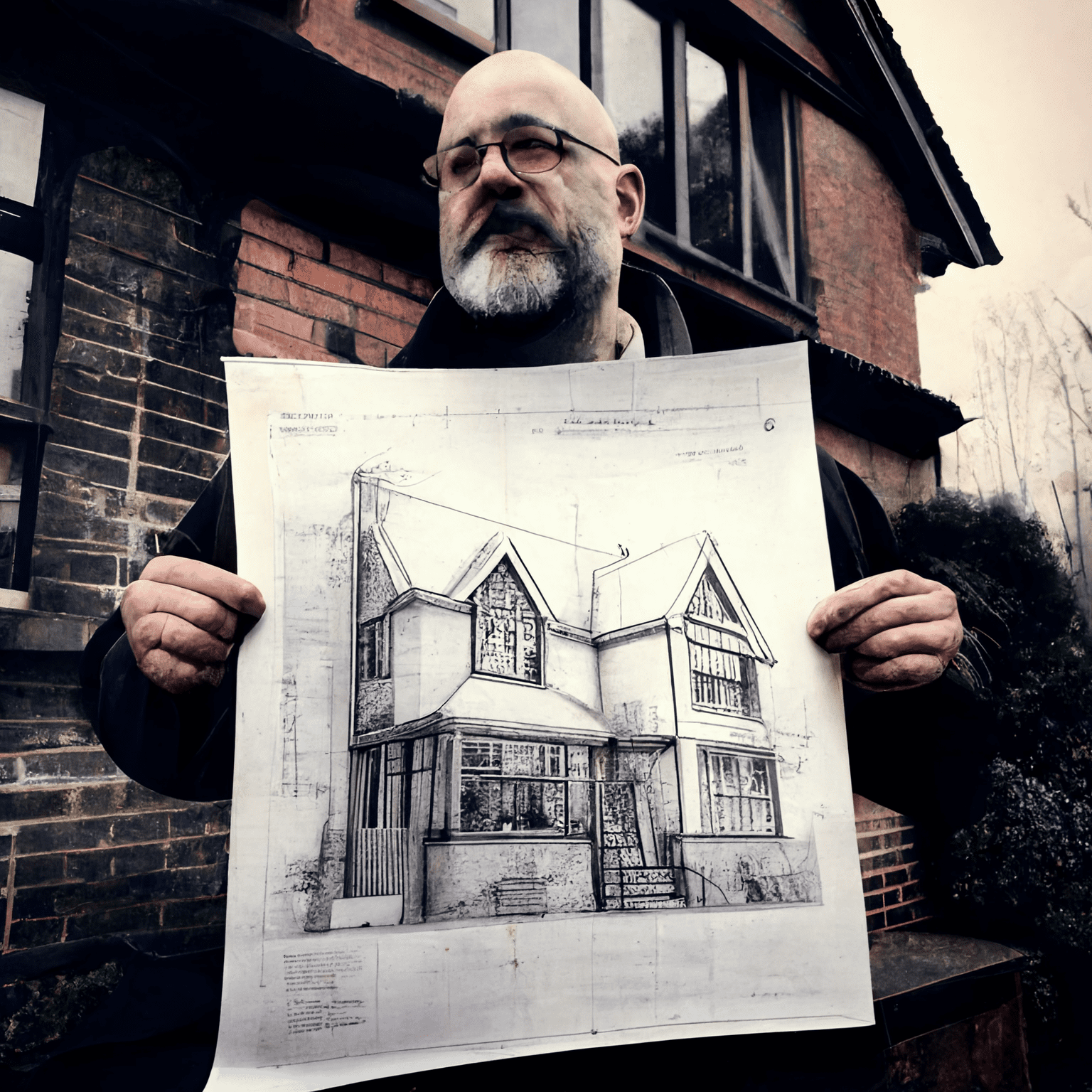
It is always possible to proceed with the technical design while the planning application is being assessed by the ...
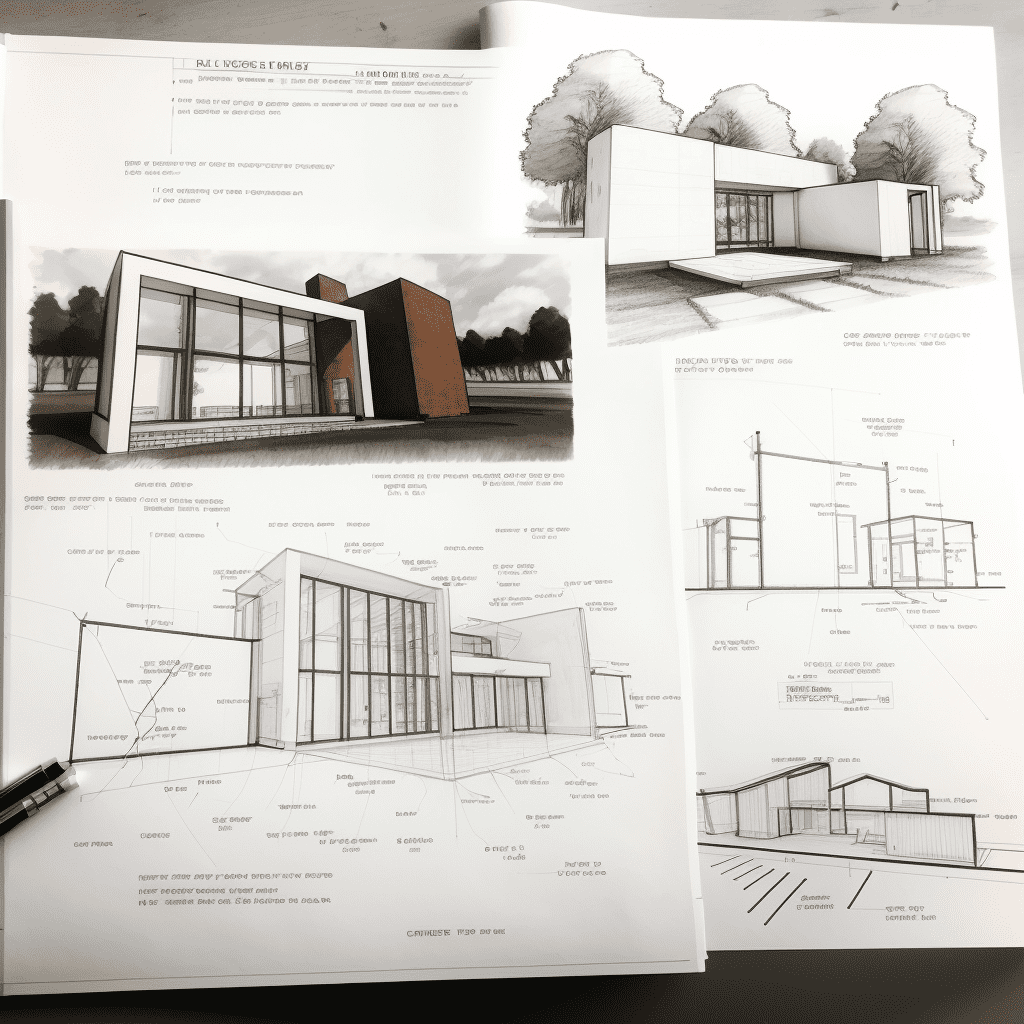
The more defined the design is before the works start this will allow you:

Yes, we have a proven track record of gaining planning permission for client projects. This is one of the key roles of ...
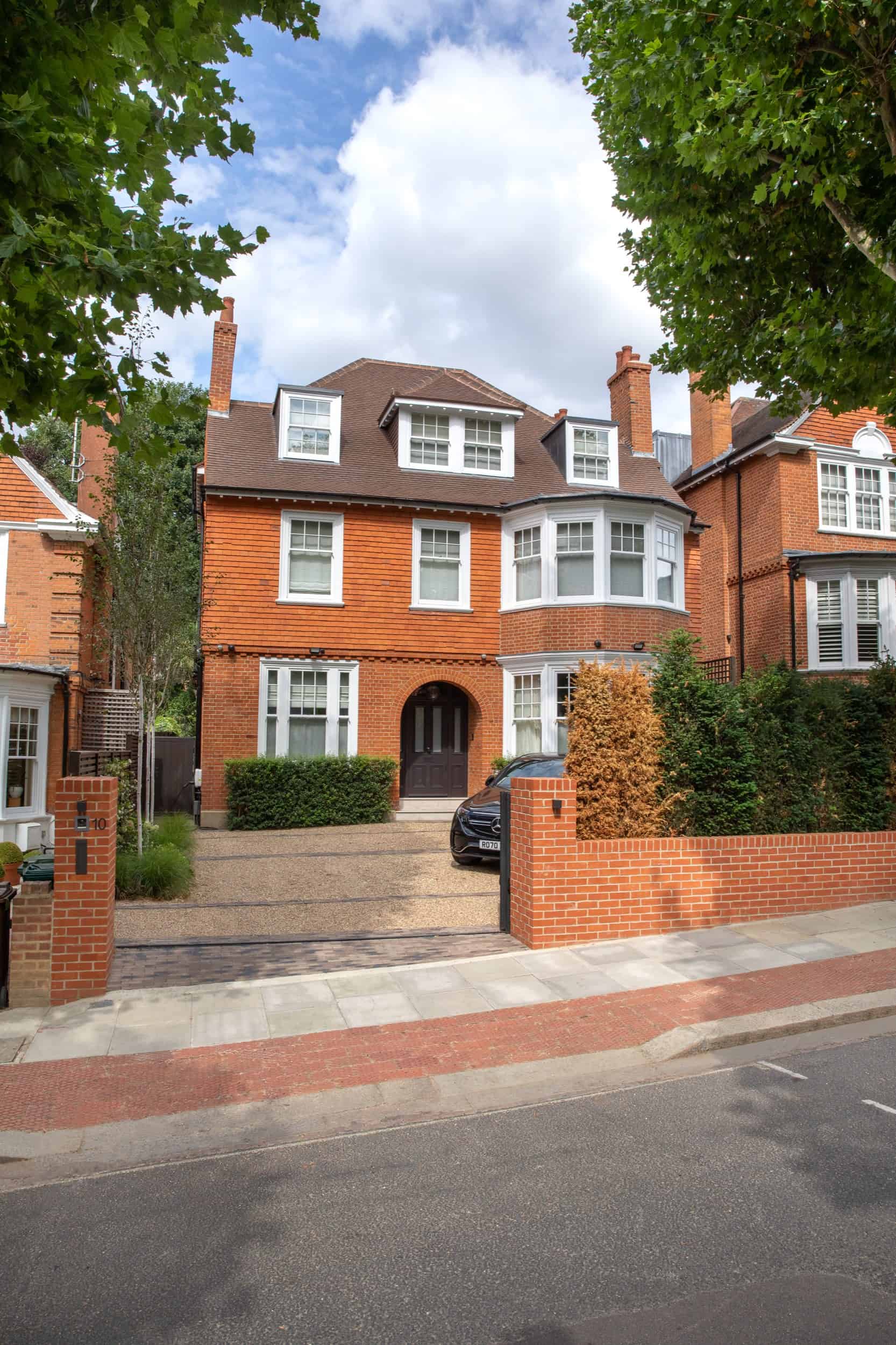
When choosing to work with an architect, you first want to ascertain if they have previously worked in the borough ...

An architect’s job is to work closely with you to help you achieve your goals for your home. This involves listening ...
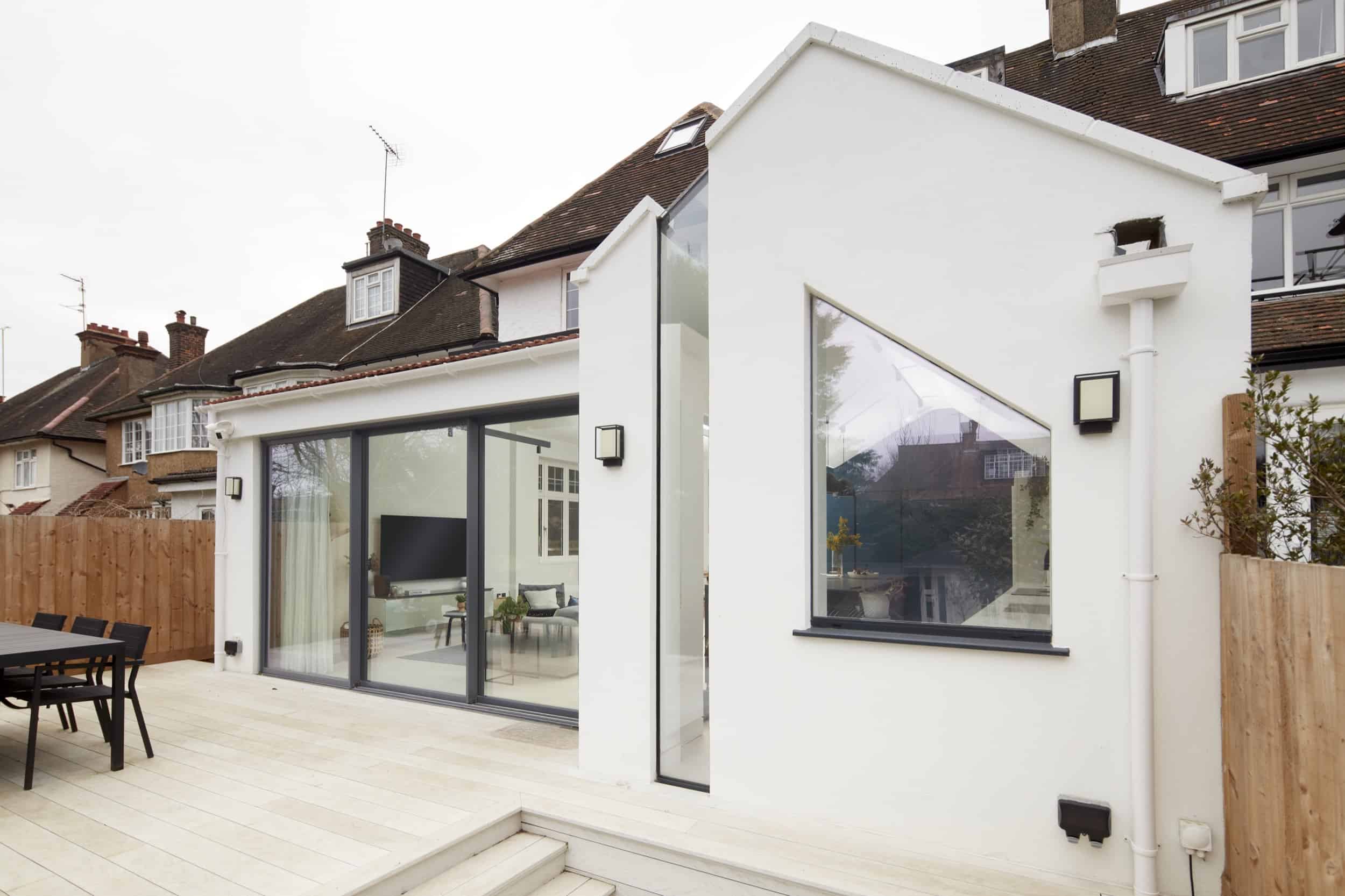
Renovating a home to Enerphit standards is a challenging but rewarding endeavour that calls for meticulous planning, ...
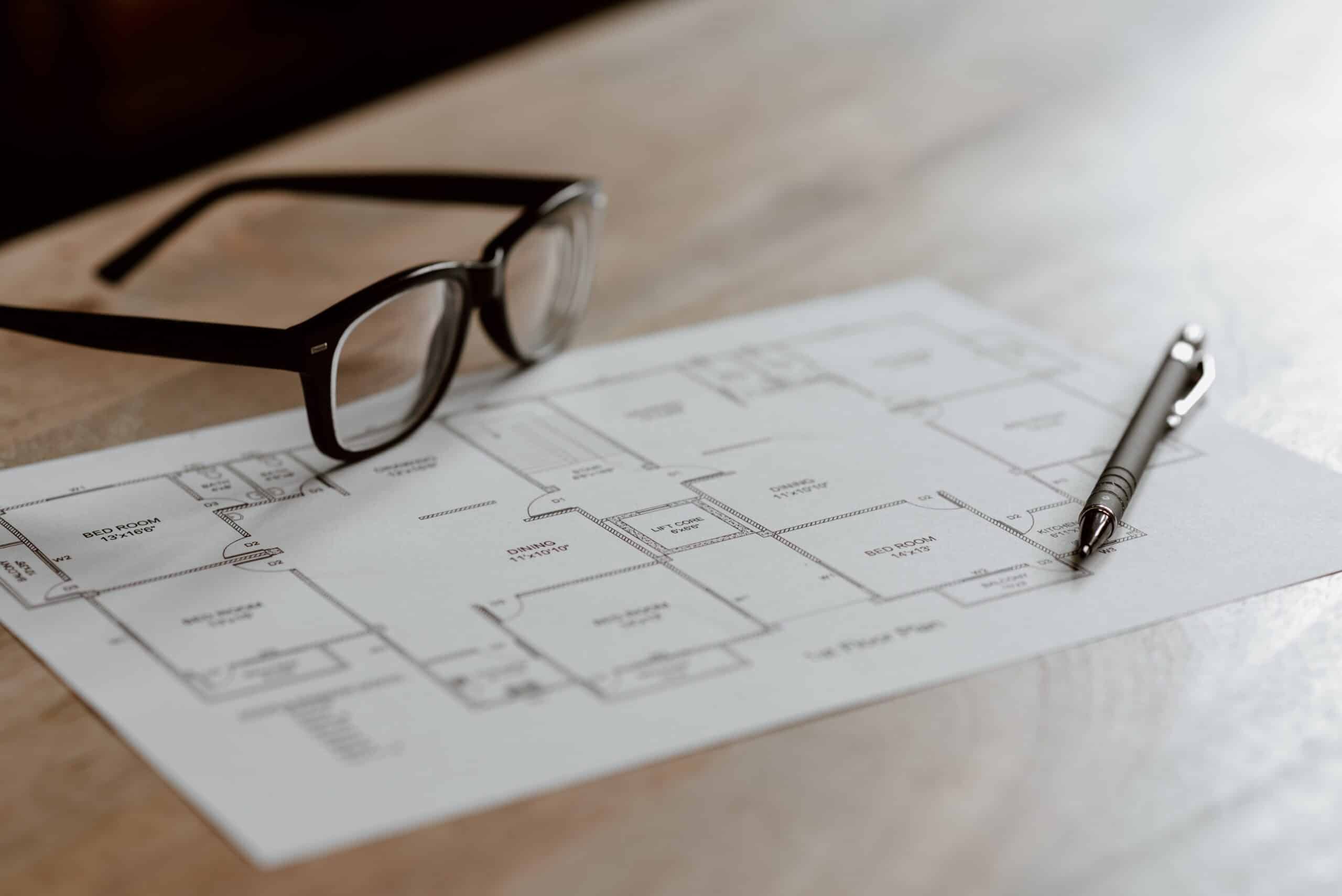
Planning permission for new build The simple answer is yes, architects can complete plans for new builds. There’s ...

We all want to work together to get your project smoothly through planning, but sometimes, despite our best efforts, ...

Yes, here in the UK, architects are liable for mistakes. While we always endeavour to create safe, functional homes ...

We can define acoustic design, also known as sound design or sound engineering, as the practice of planning and ...
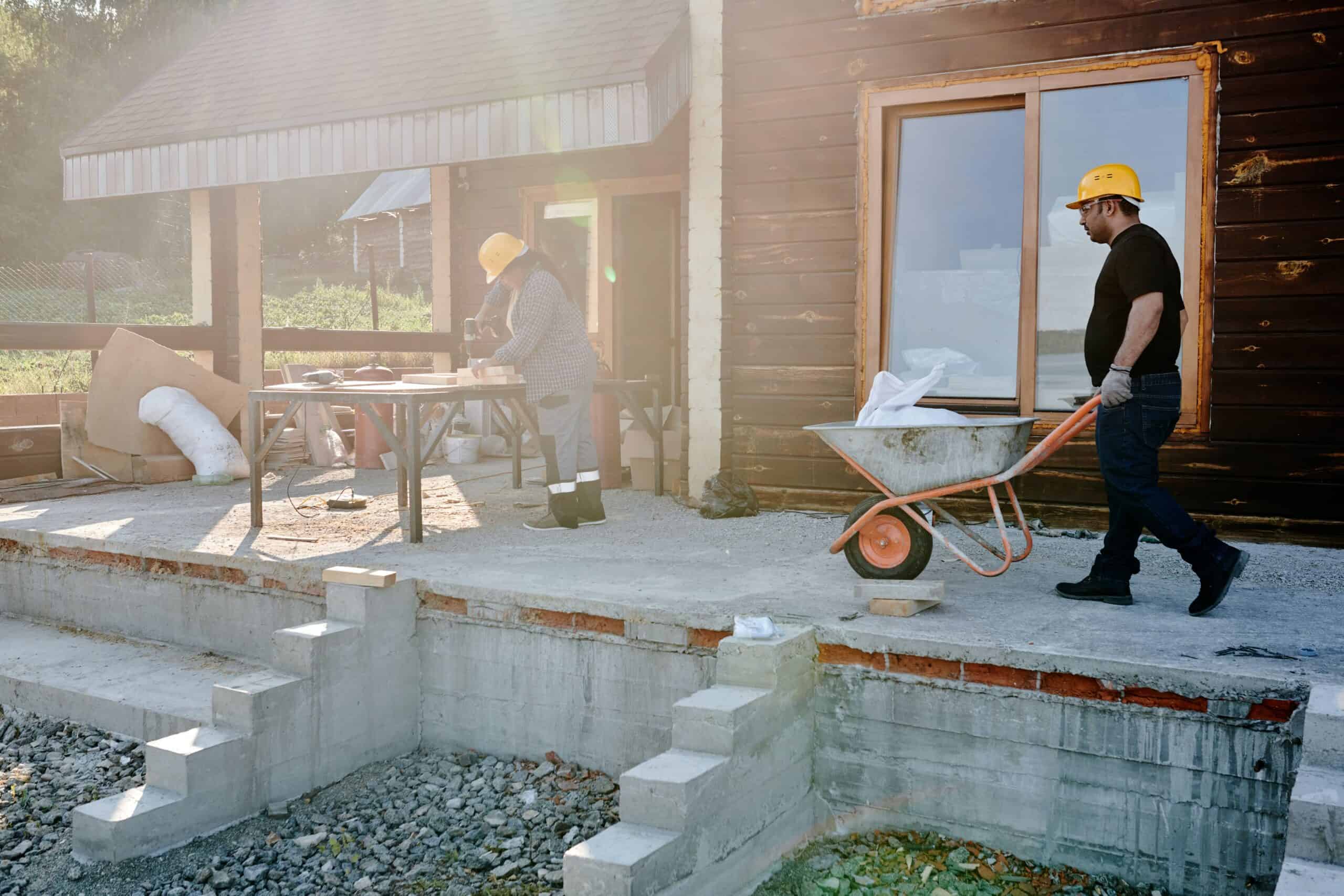
No, an architect wouldn’t typically carry out the building work themselves. An architect conceives new spaces, but it ...

Sustainability is no longer just a buzzword in design – it’s a critical issue for the architecture industry and one we ...

Even if an architect is creative and has lofty ideas that challenge convention, it’s important that they are ...

As we all confront the realities of climate change, fashioning an eco-friendly home is becoming increasingly important ...

Before choosing an architect, you first want to see if they’re qualified and ascertain if you believe you can place ...
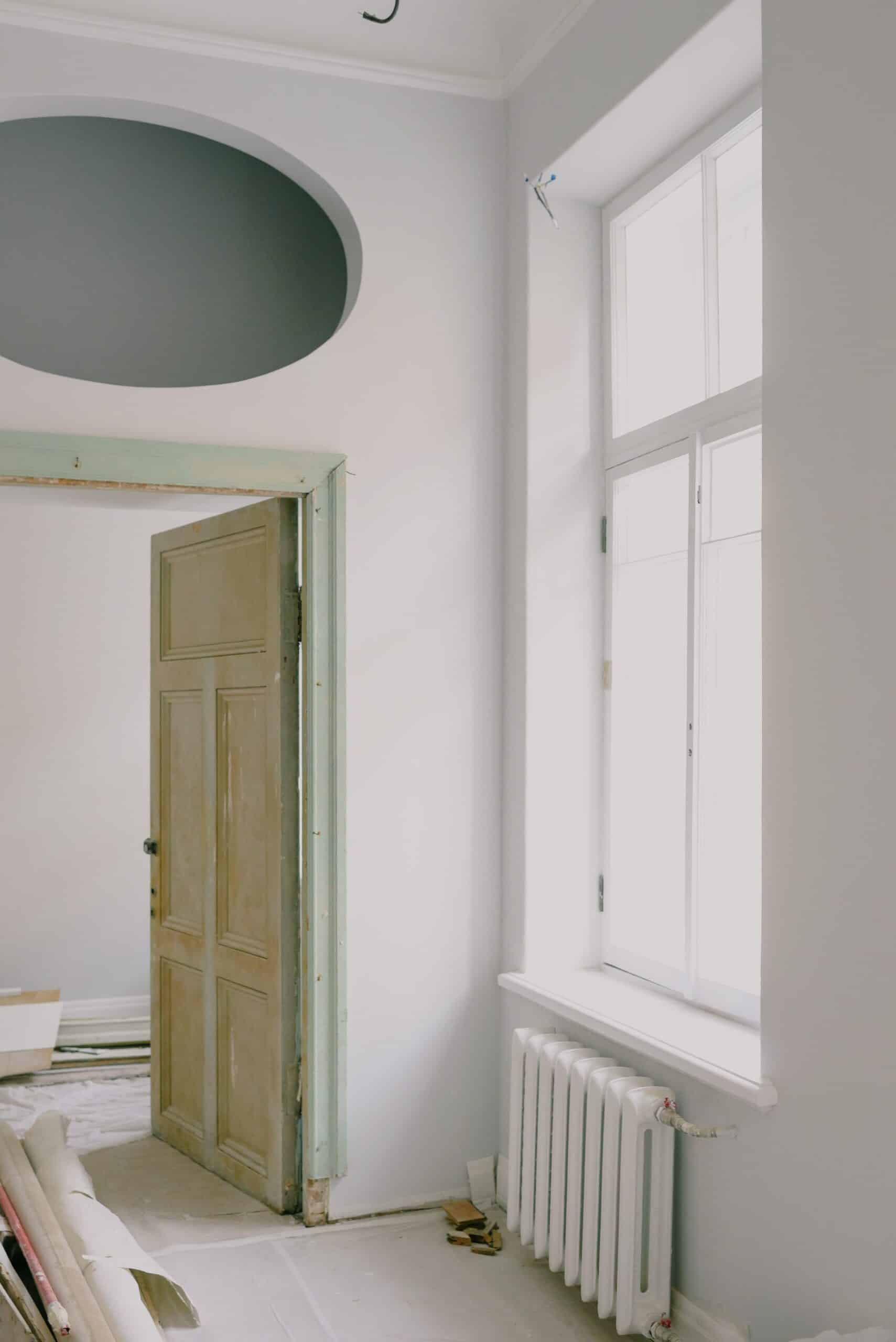
Here at XUL Architecture we strive to create inspiring spaces that bring light and a sense of wellbeing to peoples ...

At XUL Architecture, we offer a full architectural service, taking your project from early feasibility studies to a ...

Yes, a good architect will keep your interests in focus and provide unbiased advice that is always in your best ...

Are you unhappy with architect? We strive to work closely with our clients to create beautiful, aspirational spaces ...
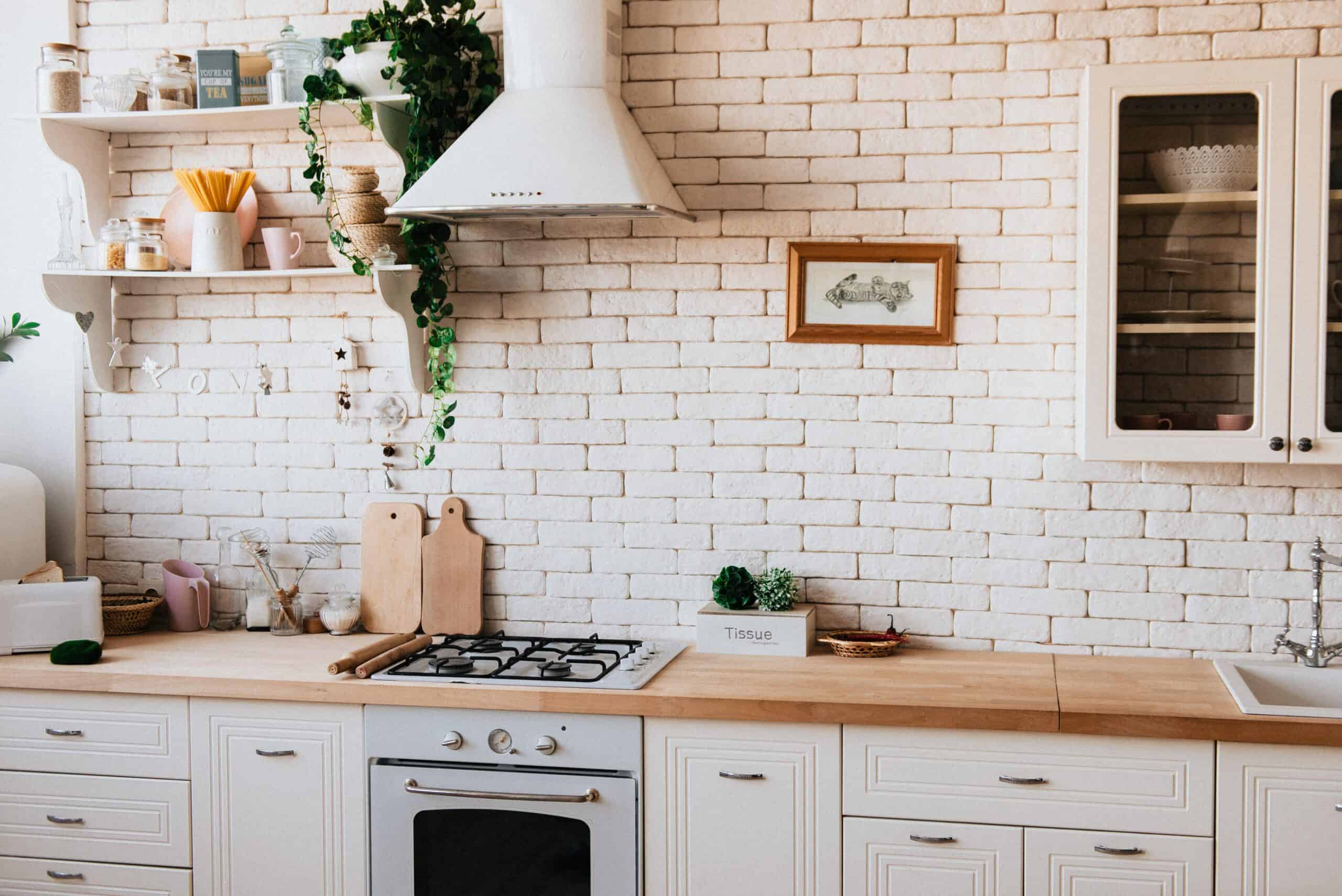
When deciding to embark on an architectural project, it is indeed possible to design your own house without an ...
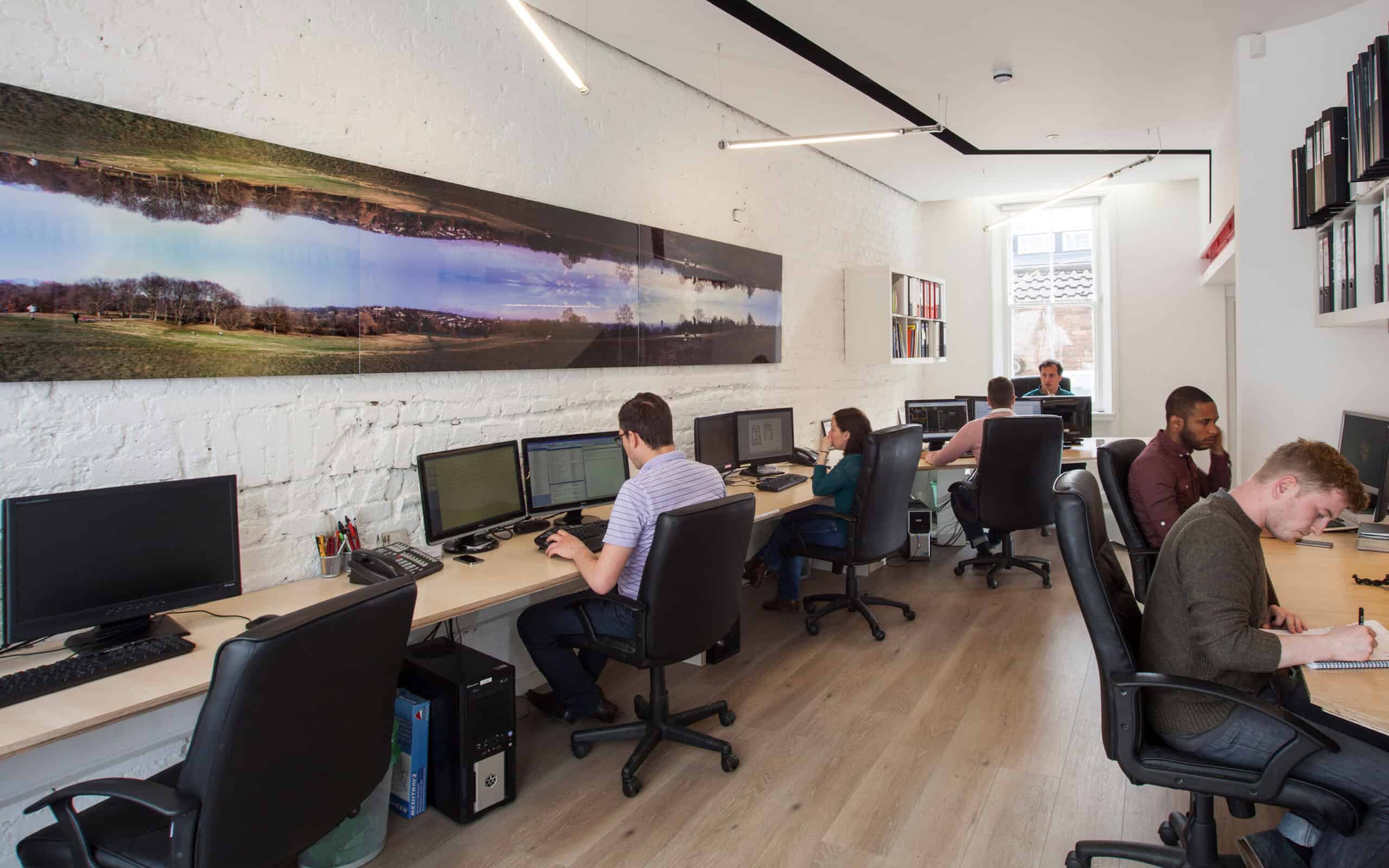
We are a North London based architecture firm that designs beautiful, aspirational buildings and spaces across the ...

Before starting work with an architect, you might want to get a clearer picture of their reputation and past experience ...

Sometimes we may need to submit a pre-application to the council before entering a full planning application for your ...

Yes, here in the UK, architects need to carry professional indemnity insurance, which is designed to protect them and ...

Do I need planning permission? It can be hard to know what planning permission you need when you make changes to your ...