
Natural Colours
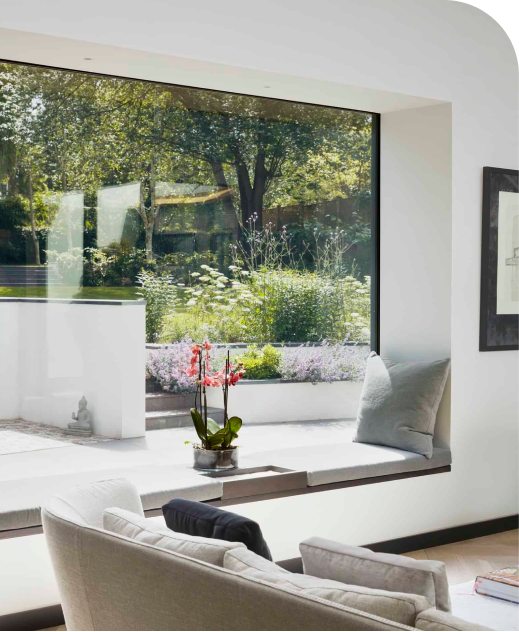
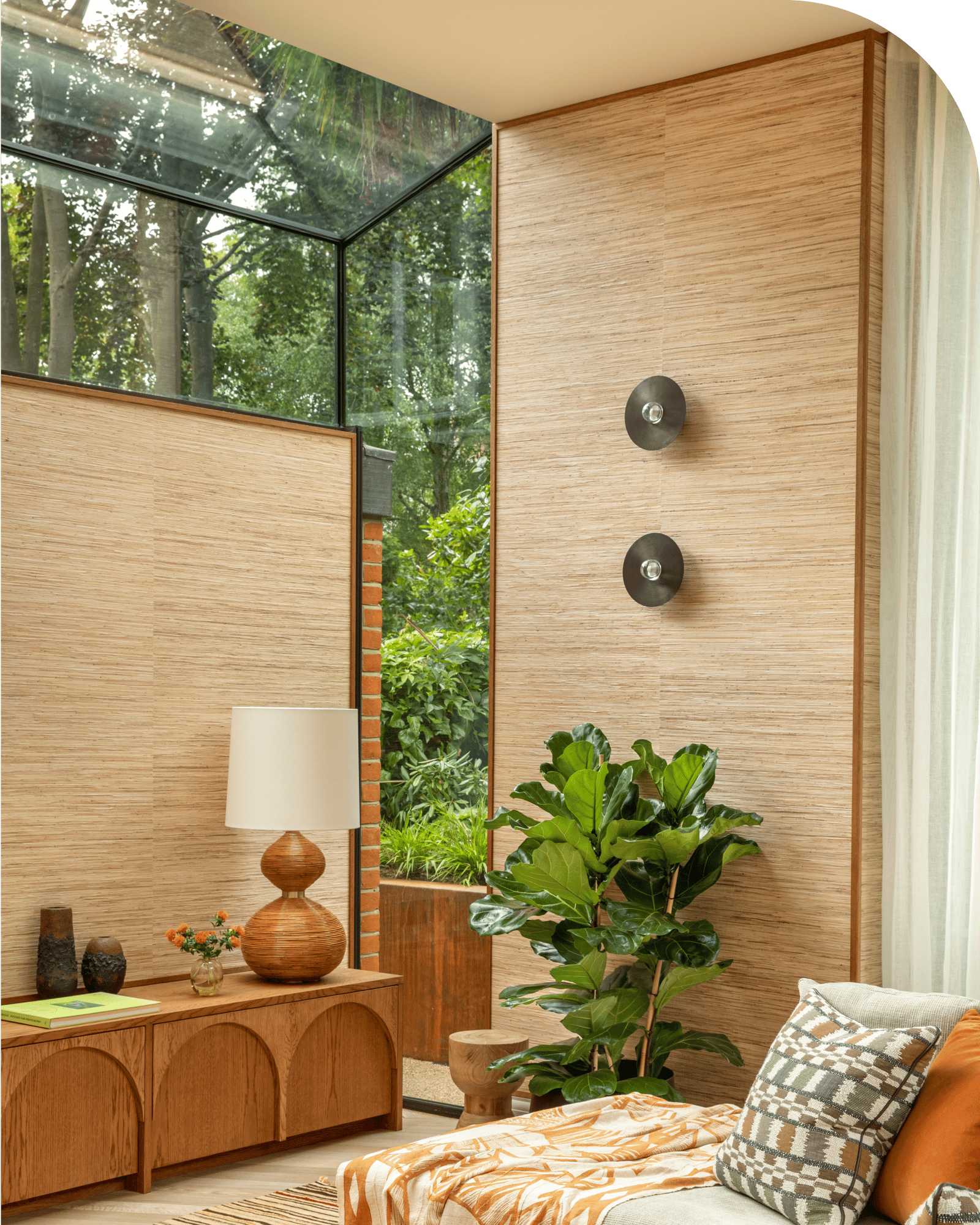
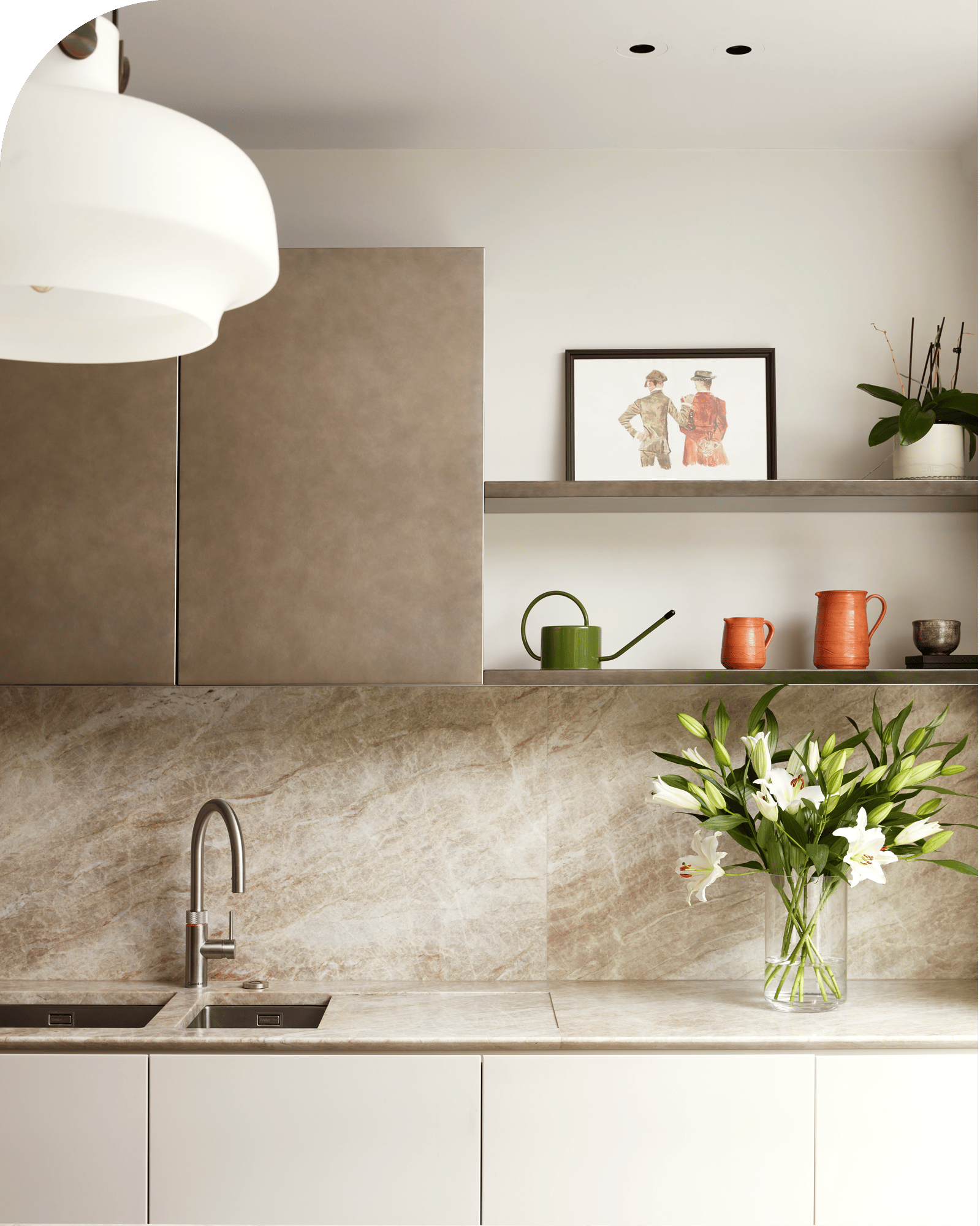
Incorporating blues, greens and earthy hues within the home is a huge part of biophilic interior design. In fact, this example of research found that “walking in a green environment induced a significant reduction in heart rate”, demonstrating the calming impact colours of nature can have.
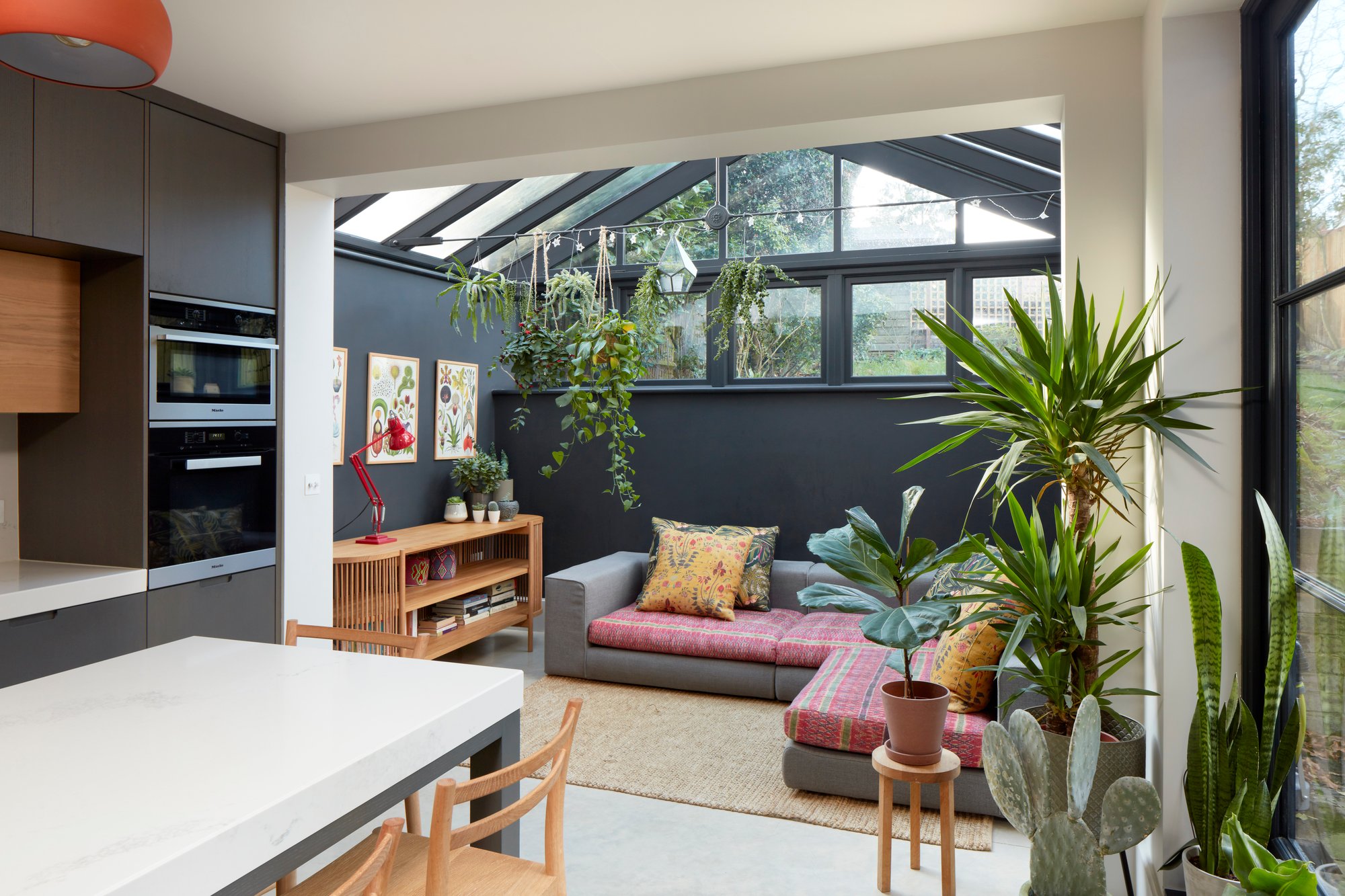
To achieve the optimum benefits of biophilic architecture, colours must be aligned with the specific function of the space, chosen with the emotions you wish to evoke in mind. For example, calming hues of green are most suited to rooms where relaxation, or even focus, is the goal. But, for more social spaces such as kitchens or living areas, more playful, bold colour schemes can be incorporated.
Fractal forms
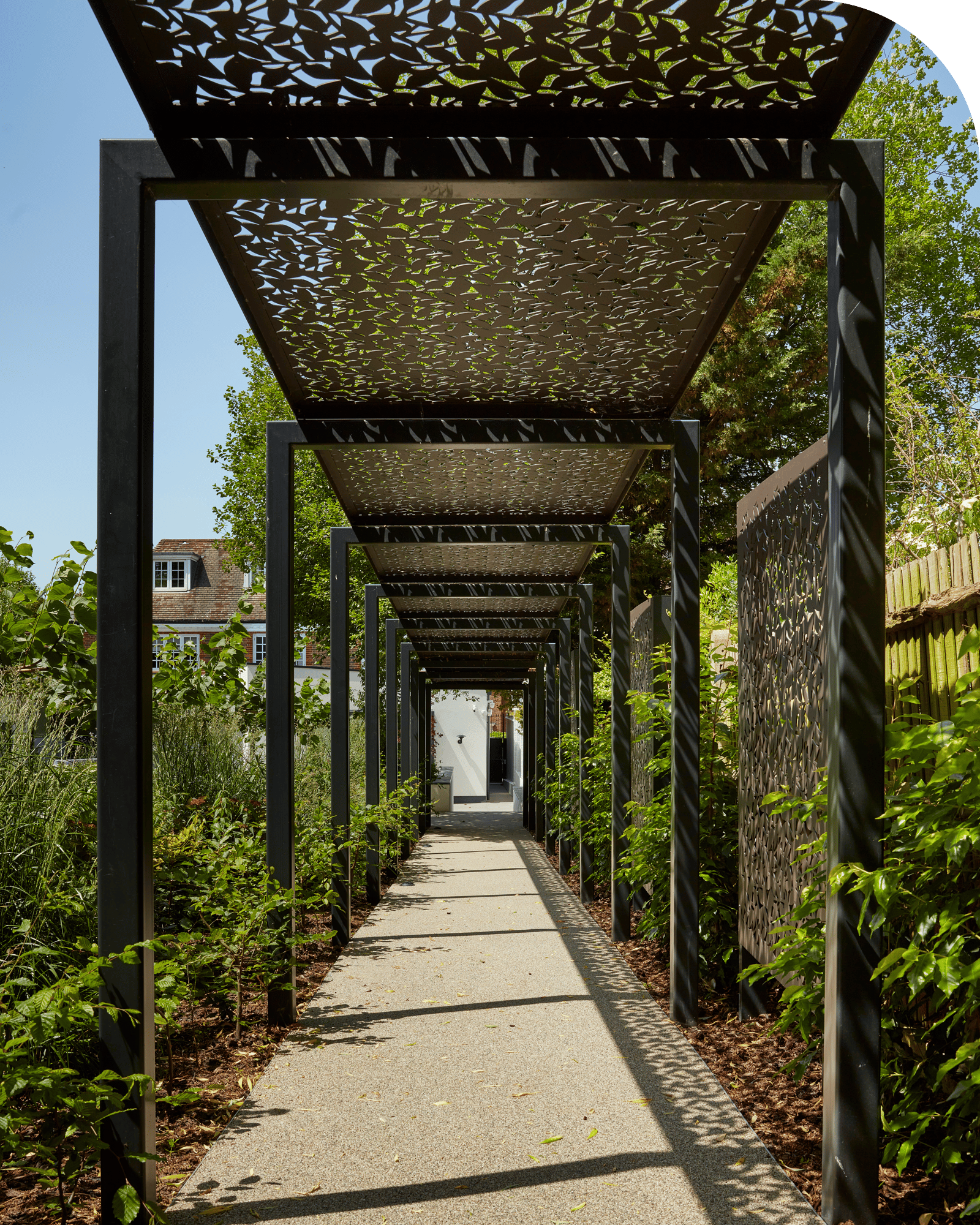
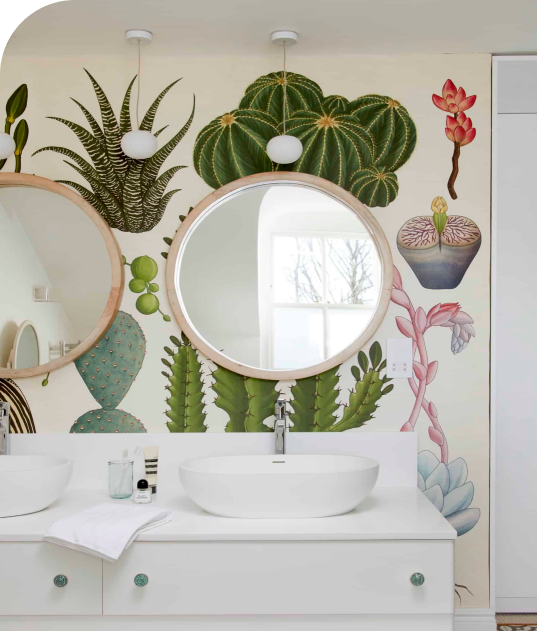
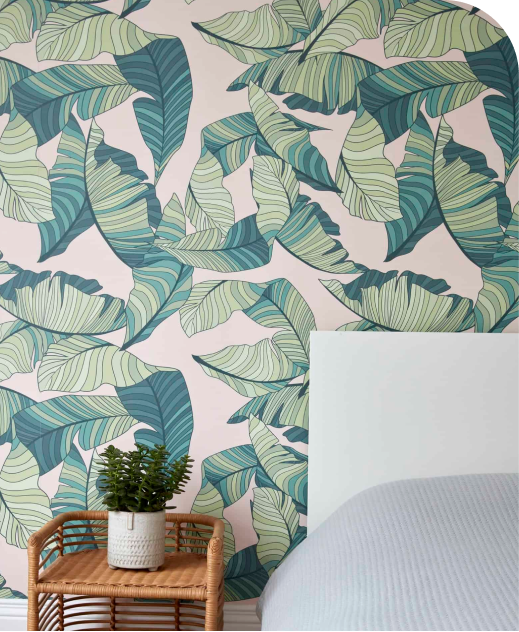
Due to consistent findings showcasing preferences for repeated patterns, we incorporate fractals within many designs. From wallpaper to tiles to the ingress of light, the presence of uniform patterns can enhance relaxation and bring calm to many indoor spaces.
Frequently Asked Questions.
Biophilic design is an approach to architecture that aims to strengthen the connection between people and nature within the built environment. It involves incorporating natural light, materials, greenery and views to create spaces that support wellbeing and comfort.
At XUL Architecture, biophilic design is integrated into residential projects to create homes that feel calm, balanced and connected to their surroundings.
Biophilic design has been shown to reduce stress, improve mood and support overall wellbeing by reconnecting people with natural elements.
Access to daylight, views of greenery and natural materials all contribute to a more comfortable and restorative living environment.
Architects that use biophilic design consider how natural elements can be integrated into the structure and layout of a home.
This includes designing for natural light, incorporating planting and outdoor connections, and selecting materials that reflect natural textures, tones, and consider all the senses.
At XUL Architecture, biophilic design is applied through careful spatial planning, maximising natural light and creating strong connections between interior and exterior spaces.
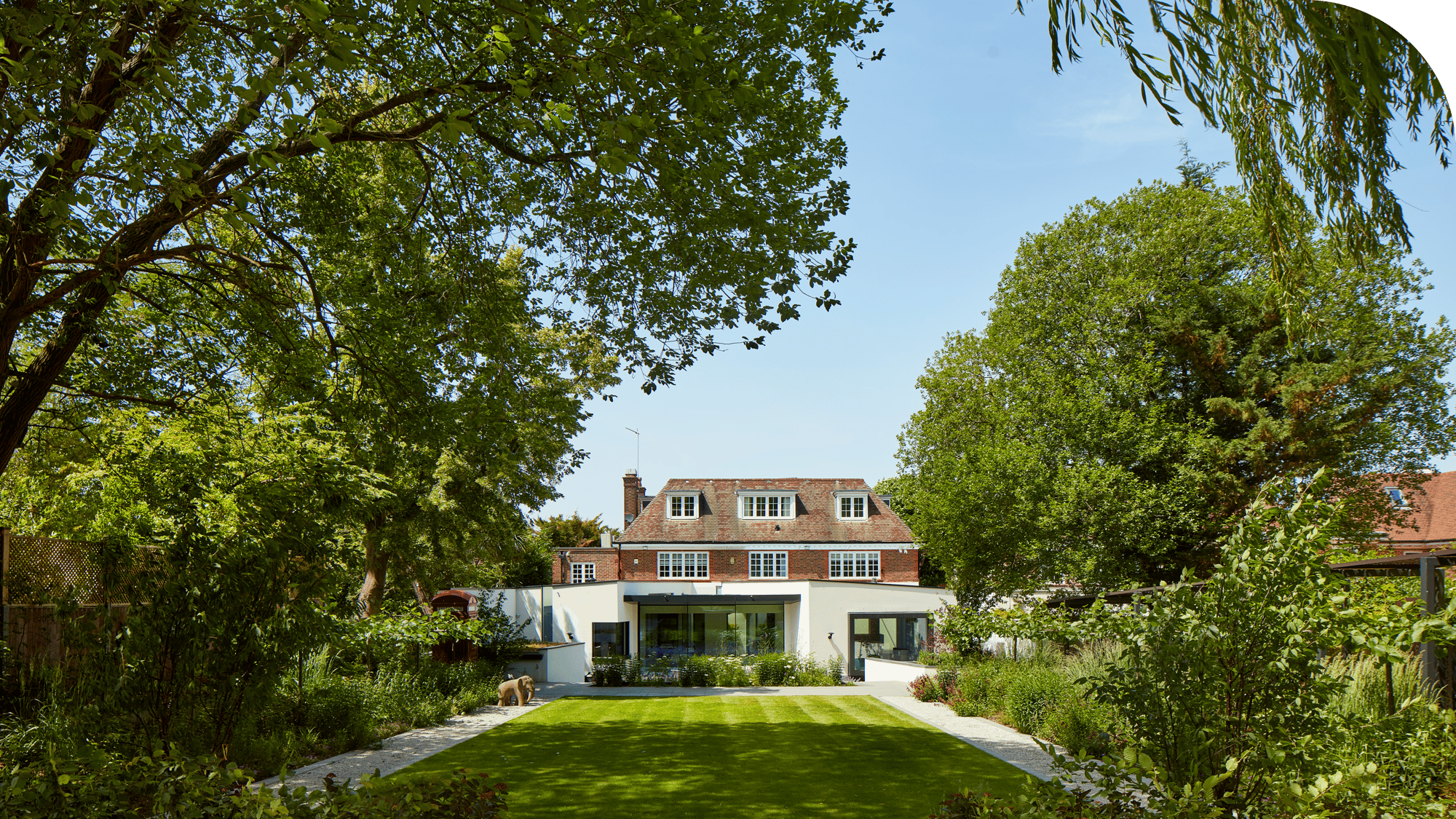
We carefully select materials that strengthen the connection to nature, engaging the senses to create a more immersive and calming environment, particularly within dense urban environments such as North London.
Yes. Many existing homes can be transformed through biophilic design principles.
Architectural interventions such as improving daylight, introducing greenery, opening up spaces and using natural materials can significantly enhance how a home feels and functions.
.
Biophilic design focuses on the human experience of space and the connection to nature, while sustainable design focuses on environmental performance and resource efficiency.
In practice, the two approaches often work together to create homes that are both environmentally responsible and supportive of wellbeing.