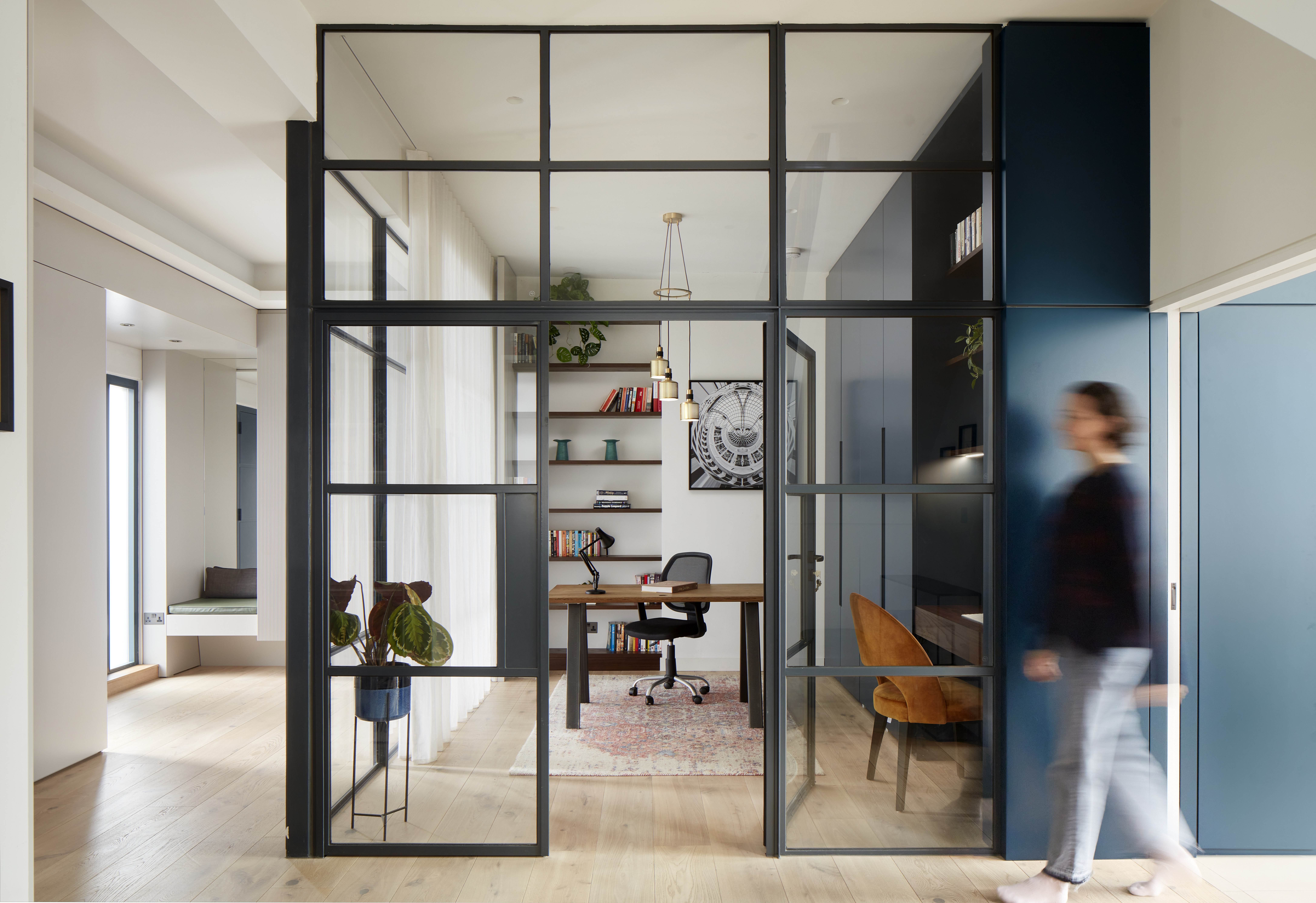
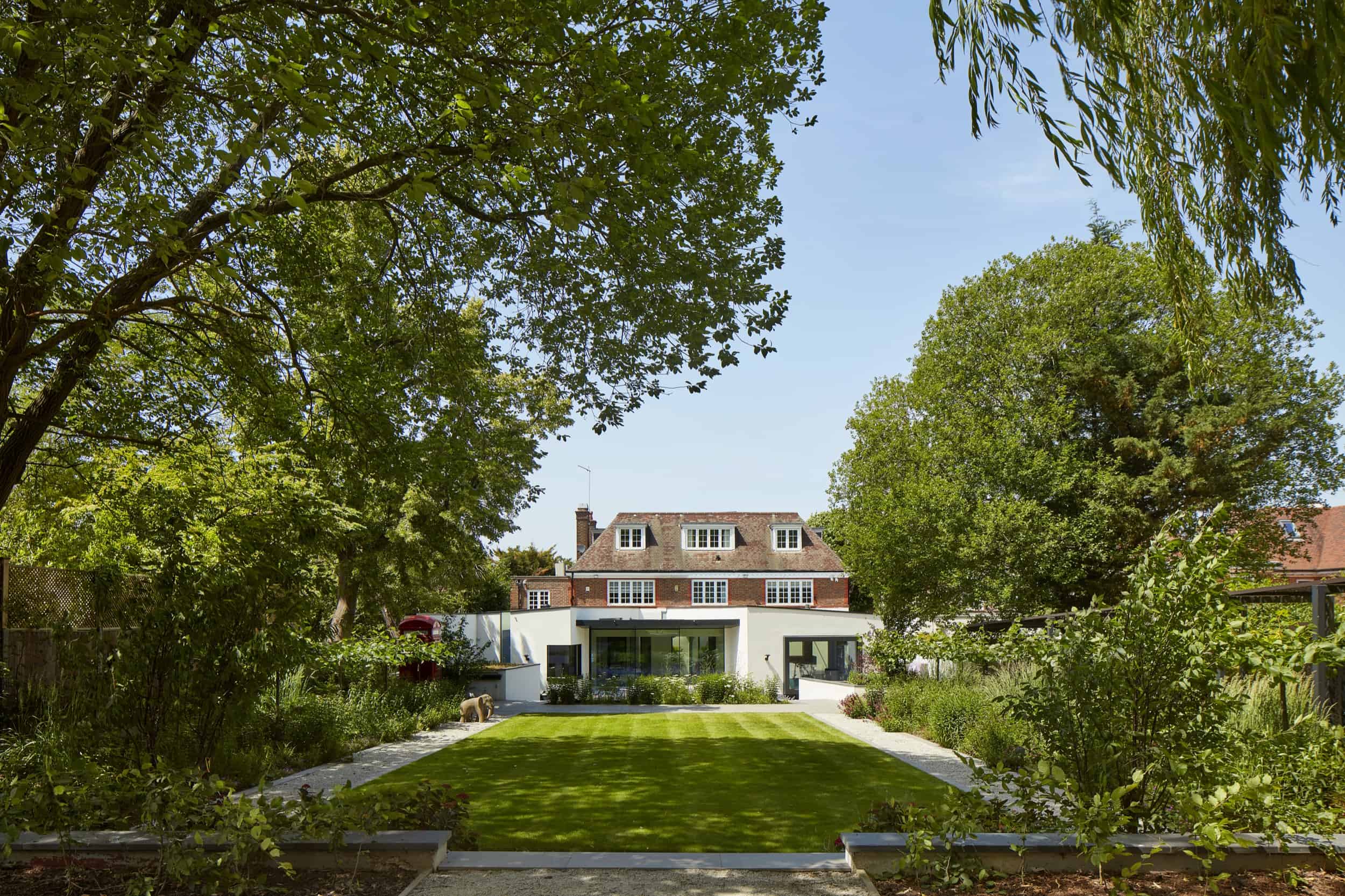
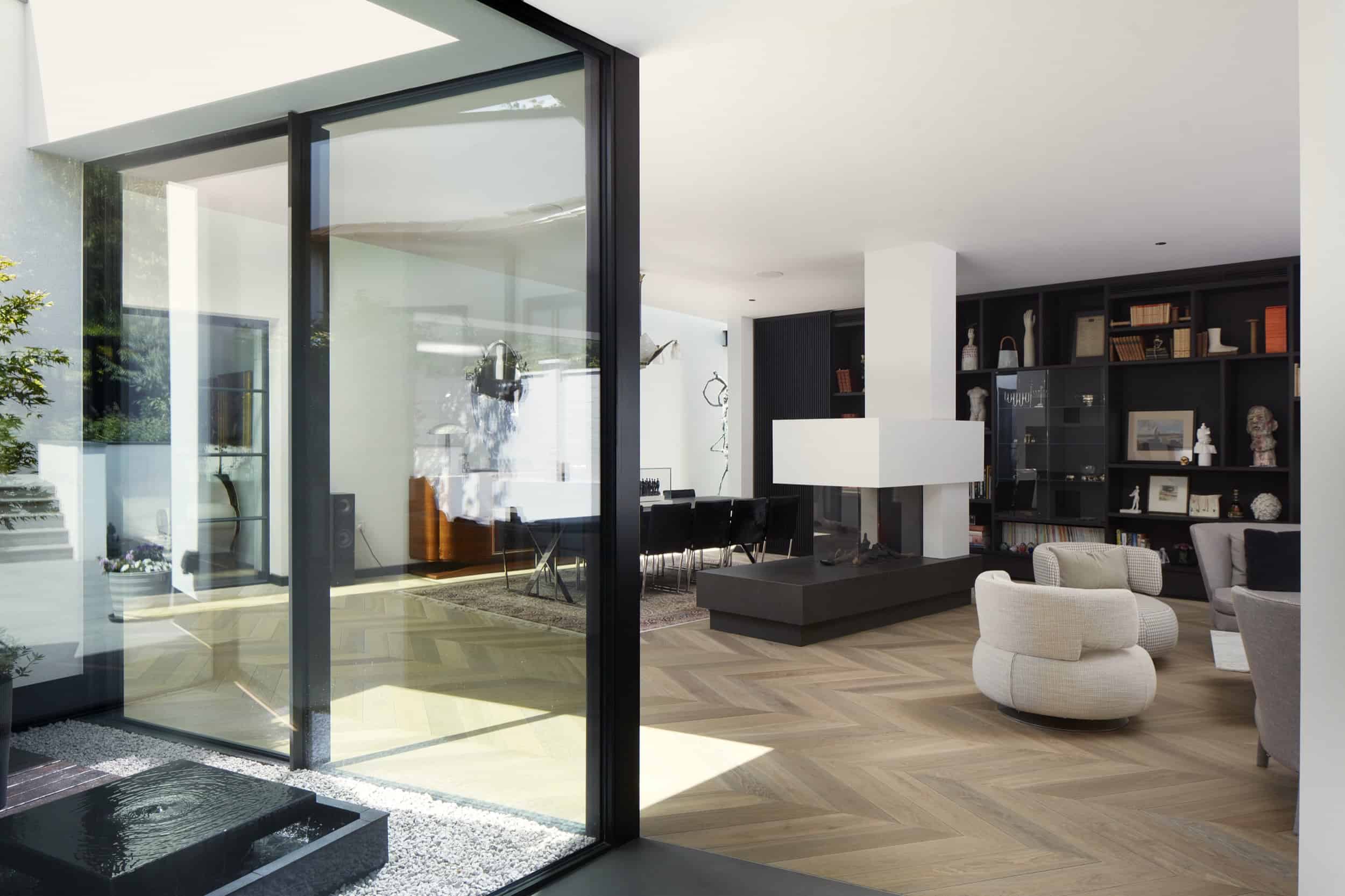
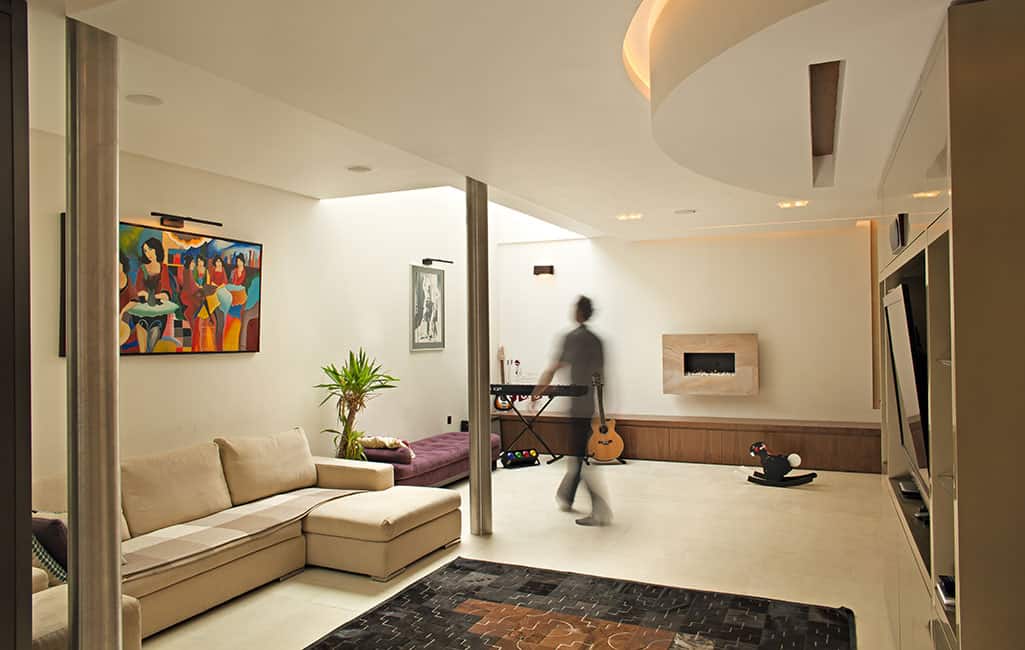
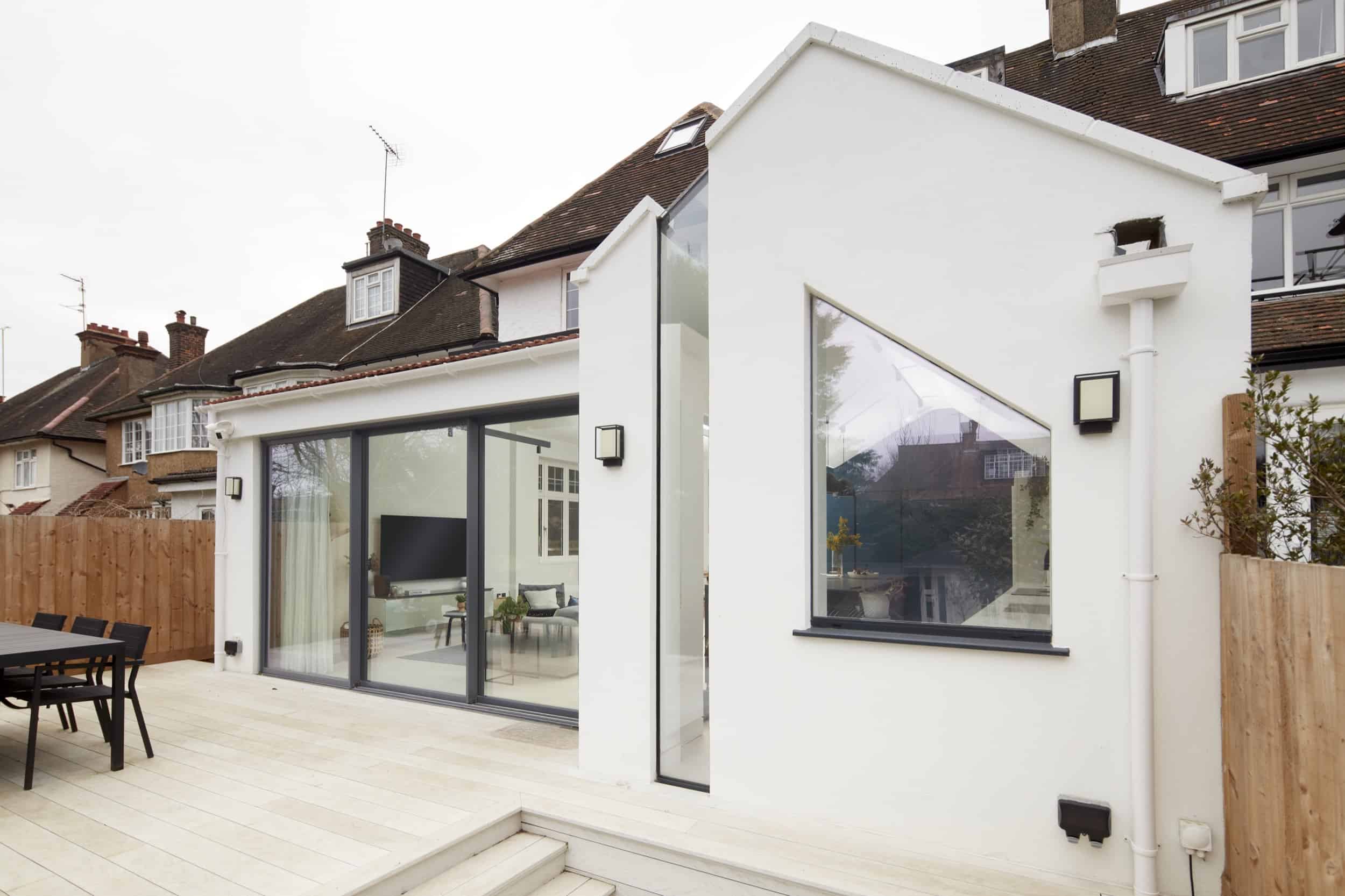
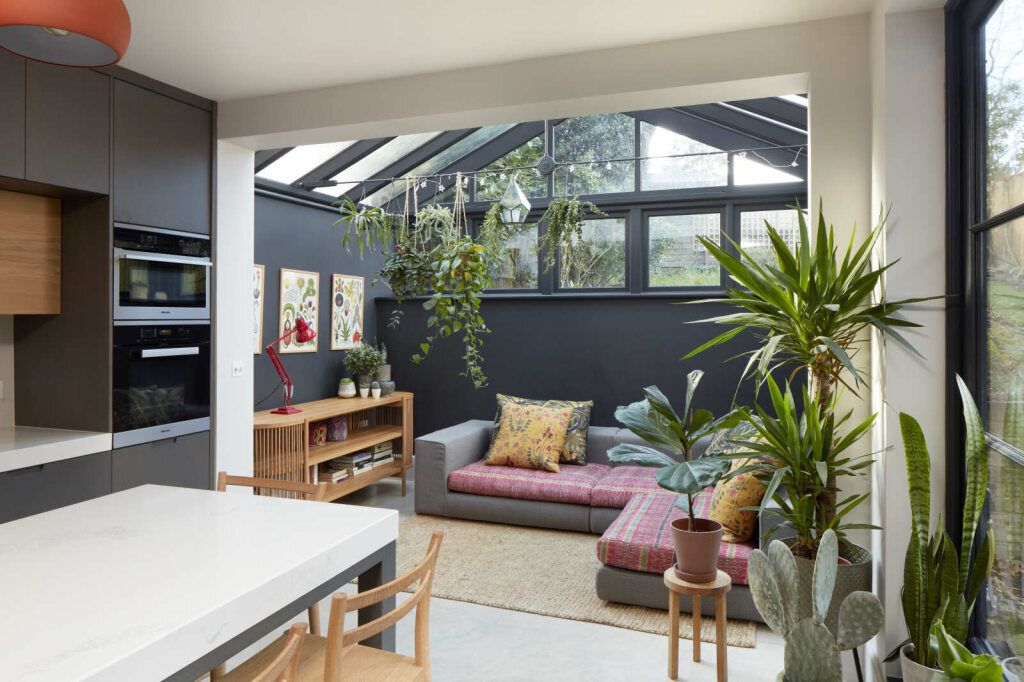
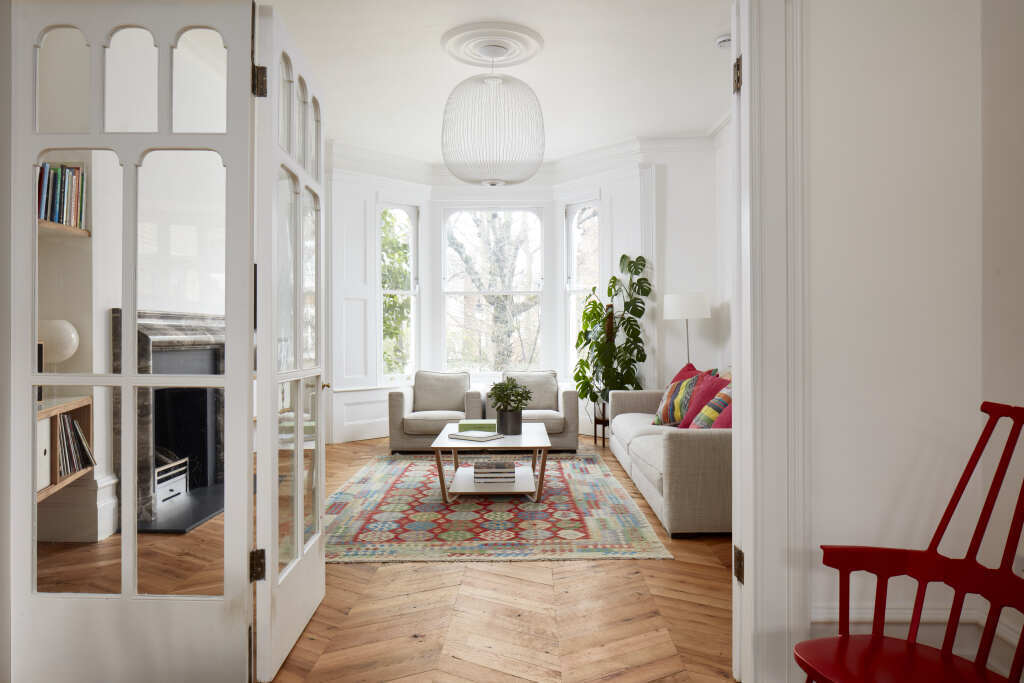
XUL Architecture likes to champion innovation and come up with ingenious ways to bring natural light into a space. With that said, we also understand that there are some cost considerations to make when weighing up design choices.
Here are some of the most important cost consequences to consider:
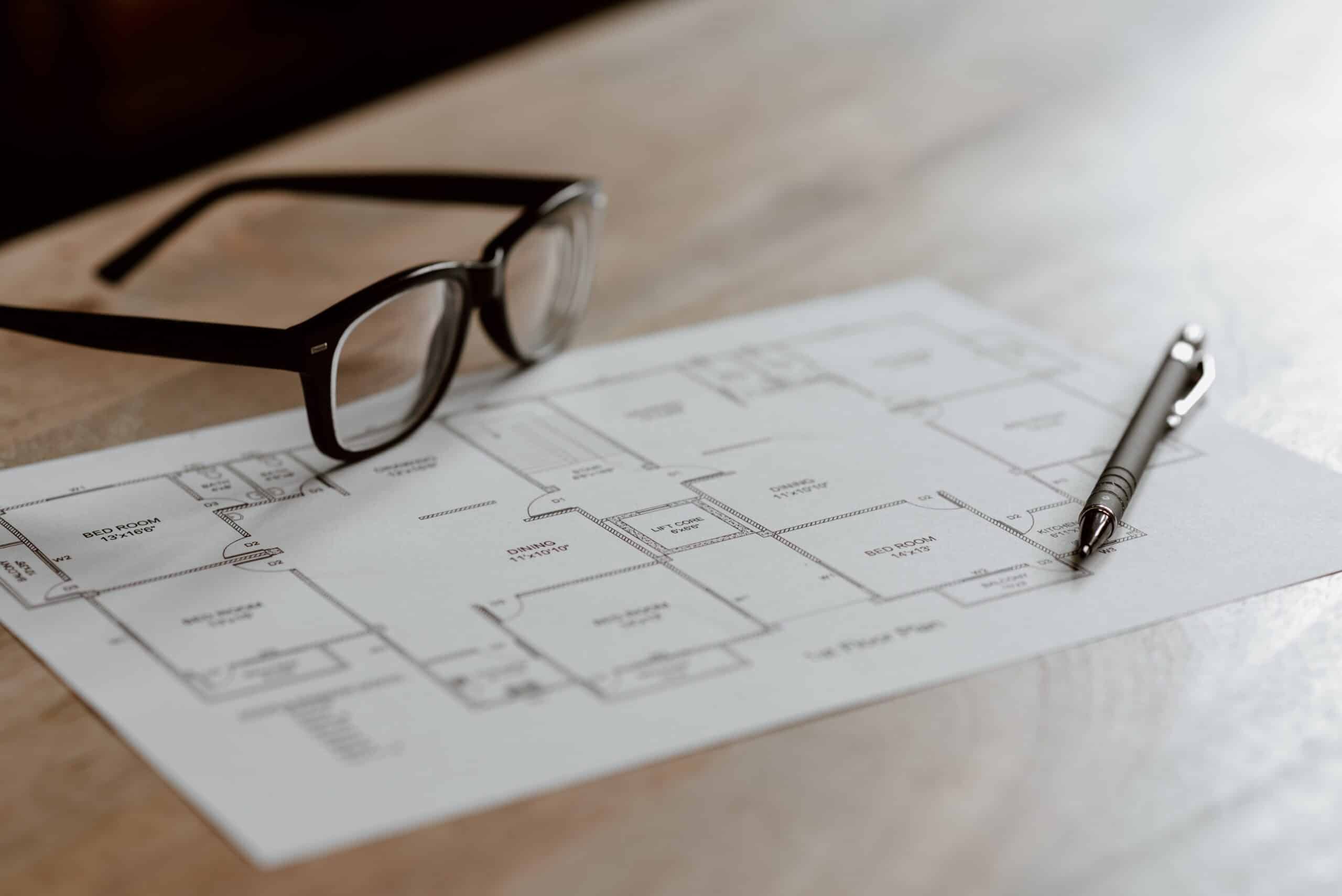
- Size and complexity of the design: We first need to think of scale. It must be said that a larger and more complex design will generally impact construction costs more than a smaller and simpler home project. This is because larger projects tend to take longer to build and require more resources in the design process as well as additional labor and materials.
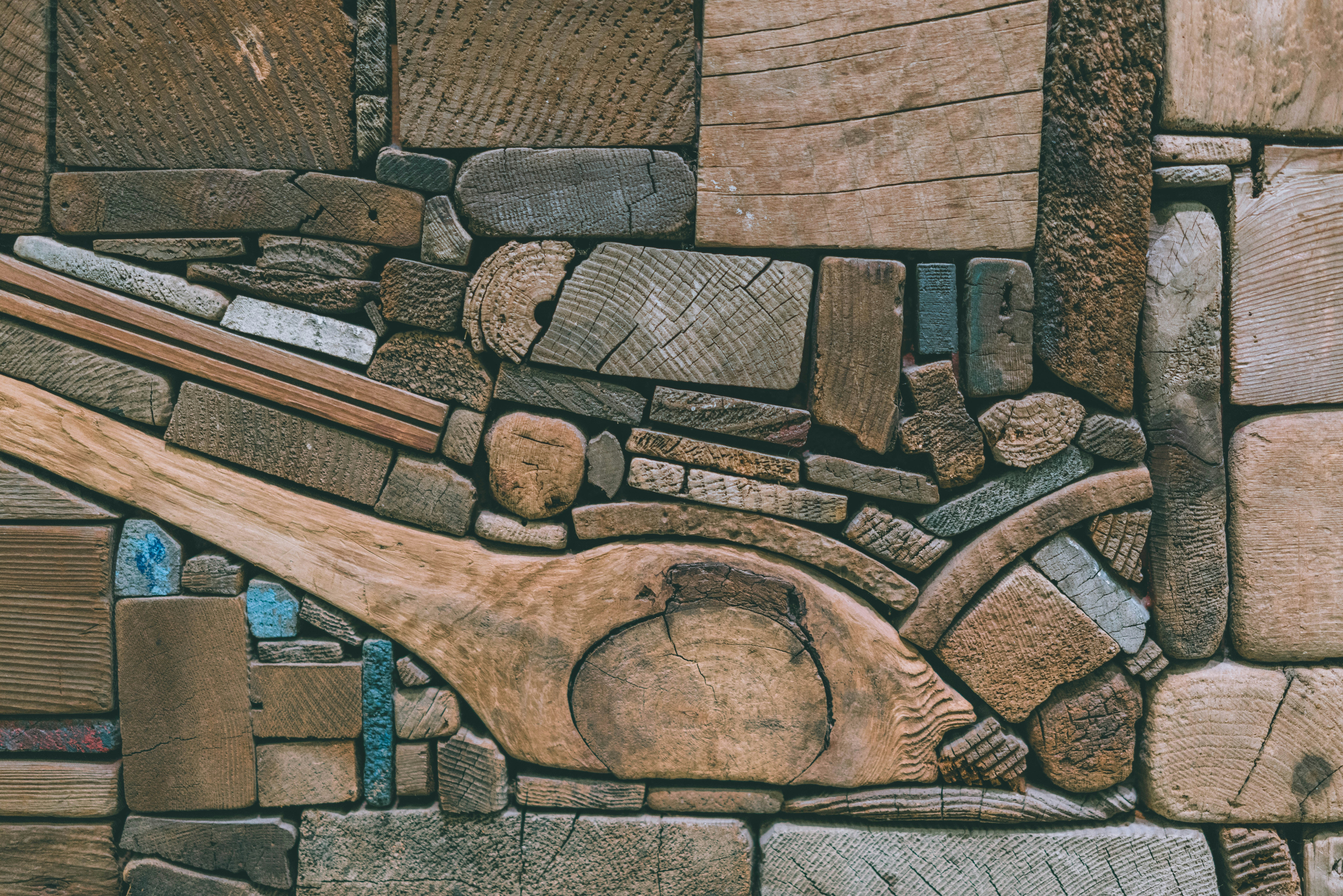
- Materials used: The materials you choose will have a significant impact on the overall cost of building a house. We work with quantity surveyors to cost up projects, but your budget is likely to influence your aesthetic choices, and whether you go for marble worktops and wooden floors or cheaper laminate and carpet.
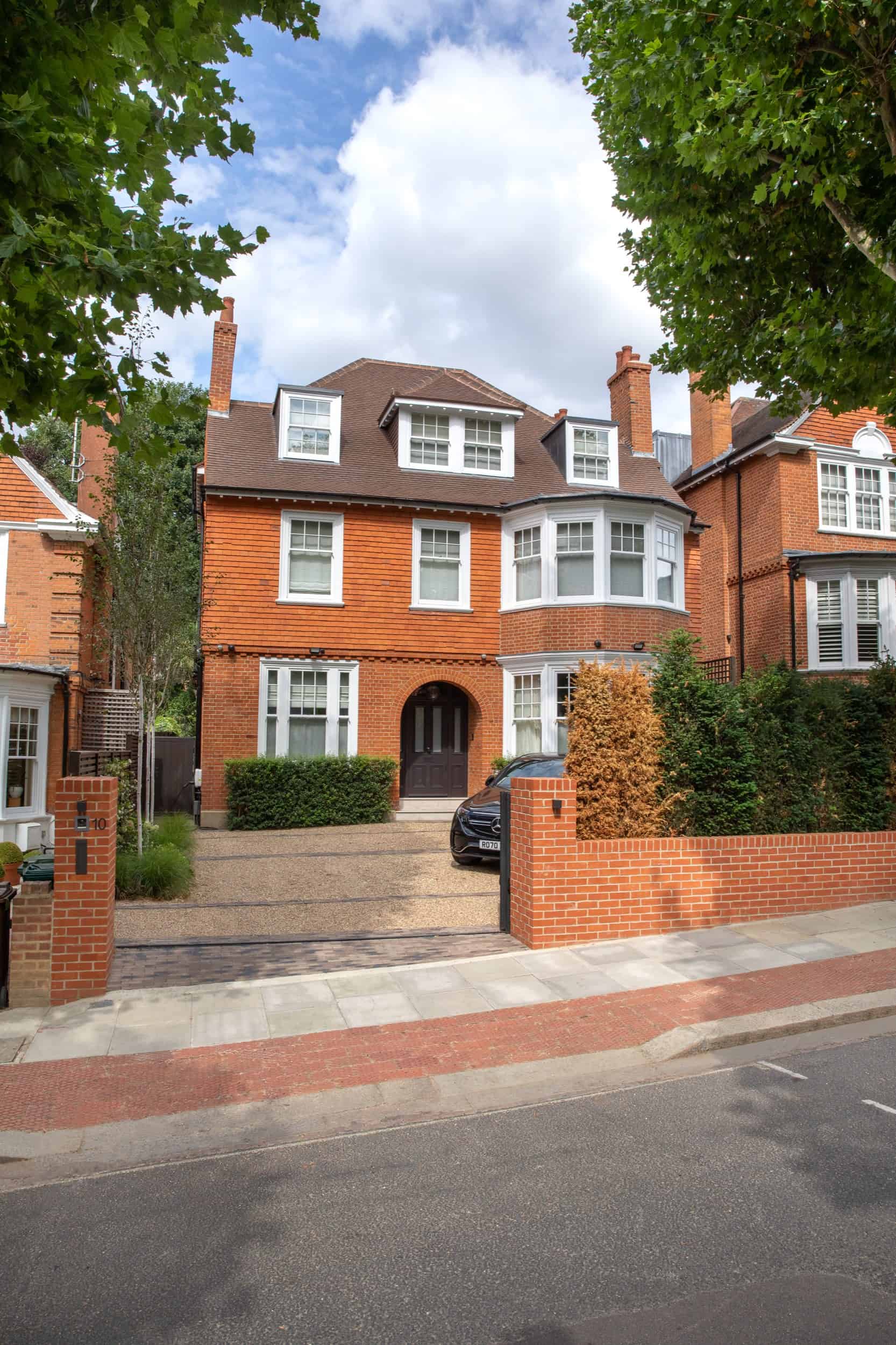
- Location: The location of your project can also affect construction costs. We know that land prices and labor costs are higher in urban areas or areas with a higher demand for housing, such as London.
- Labour costs: Contractor quotes will vary depending on the complexity of the design and the type of structure you’re using. More labor-intensive structures will pay a higher price than more standard, affordable solutions.
- Energy efficiency: If you’re looking to make your project more sustainable with additions such as solar panels, insulation, and energy-efficient appliances, you can often find that you pay more upfront but reap the benefits in the long term, with significant amounts of money on energy bills over time.
- Architectural style: Different architectural styles can also have varying costs associated with them. Looks can be deceiving; for example, a modern and minimalist design may actually require more expensive materials and more precise construction techniques compared to a more traditional design.
It’s important to come to your architect with a clear budget and work openly with them to understand how different design choices will impact the overall cost of building a house. We can help advise you on how to get the look you want with the budget you have.