×
  • There are no suggestions because the search field is empty.
What is biophilic design and why does it matter?
How does light shape how we feel?
What does our brain see in architecture?
How does the flow of a space shape how we feel?
What are the best materials for a feel-good home?
Building a greener future: The importance of sustainable architecture
How innovation is redefining contemporary architecture
Basement Conversions: The Ultimate Guide
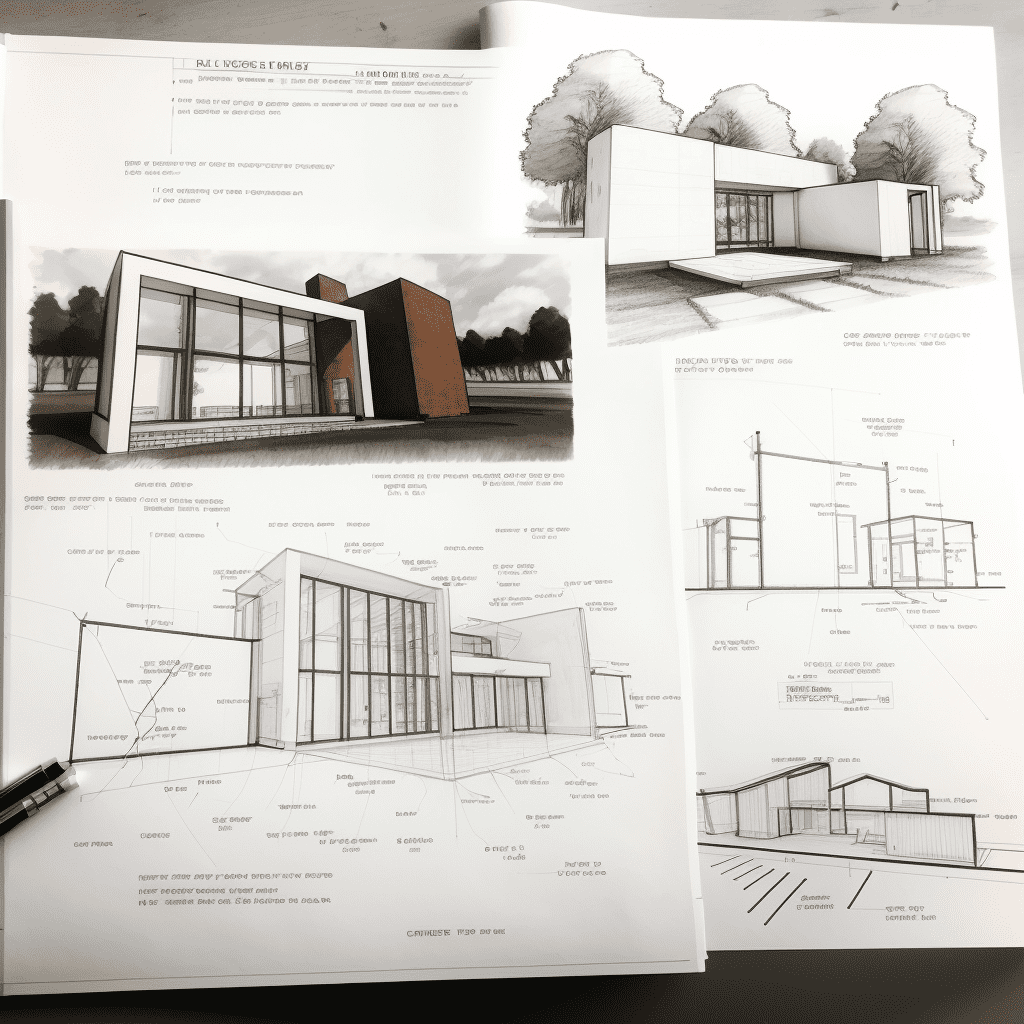
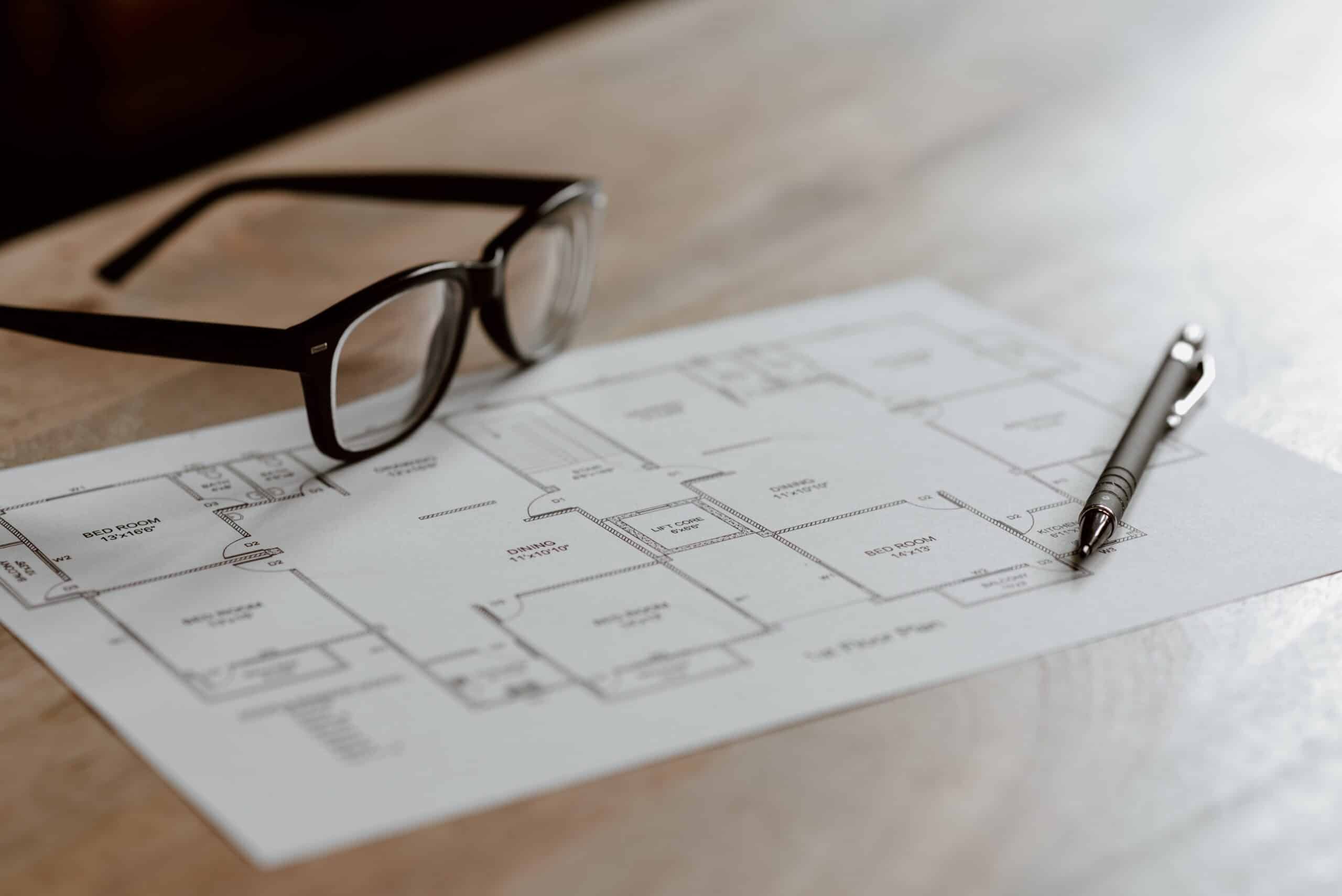
Why spend time and money on technical design after obtaining planning permission? What does the technical design stage entail?
Will you be able to provide interior design services?
What’s the recommended timeframe for the technical design stage?
Can I start with technical design before I have planning permission?
Why produce all the drawings and specifications before construction begins?
Can you obtain planning permission for my project?
Has my architect worked in this borough on similar applications?
How can my architect help me achieve my goals for my home?
Can you renovate my home to Enerphit standards?
Can you complete plans for new builds?
What happens if my planning application is refused?
Are architects liable for mistakes?

What do I pay VAT on?

Self-build projects

On self-build projects you do not pay VAT on the construction costs but you will always pay VAT on consultants fees.

You can apply for a VAT refund on building materials and services if you’re:

  • building a new home
  • converting a property into a home
  • building a non-profit communal residence – eg a hospice
  • building a property for a charity

The building work and materials have to qualify and you must apply to HM Revenue and Customs (HMRC) within 3 months of completing the work.

Read more on gov.uk

Renovation projects

VAT is applicable to all consultants.

If you carry out work to an existing building you will normally have to pay VAT at the standard rate. You may be able to pay VAT at the reduced rate of 5% if you’re renovating or altering either:

  • an eligible dwelling that has not been lived in during the 2 years immediately before your work starts (although there’s an exception explained at paragraph 8.3.4)
  • premises intended for use solely for a ‘relevant residential purpose’ (see paragraph 14.6) that have not been lived in during the 2 years immediately before you start your work

You can read more on gov.uk
Related Articles

What is biophilic design and why does it matter?

1 – 
What is biophilic design and why does it matter?

— View Post
How does light shape how we feel?

2 – 
How does light shape how we feel?

— View Post
What does our brain see in architecture?

3 – 
What does our brain see in architecture?

— View Post